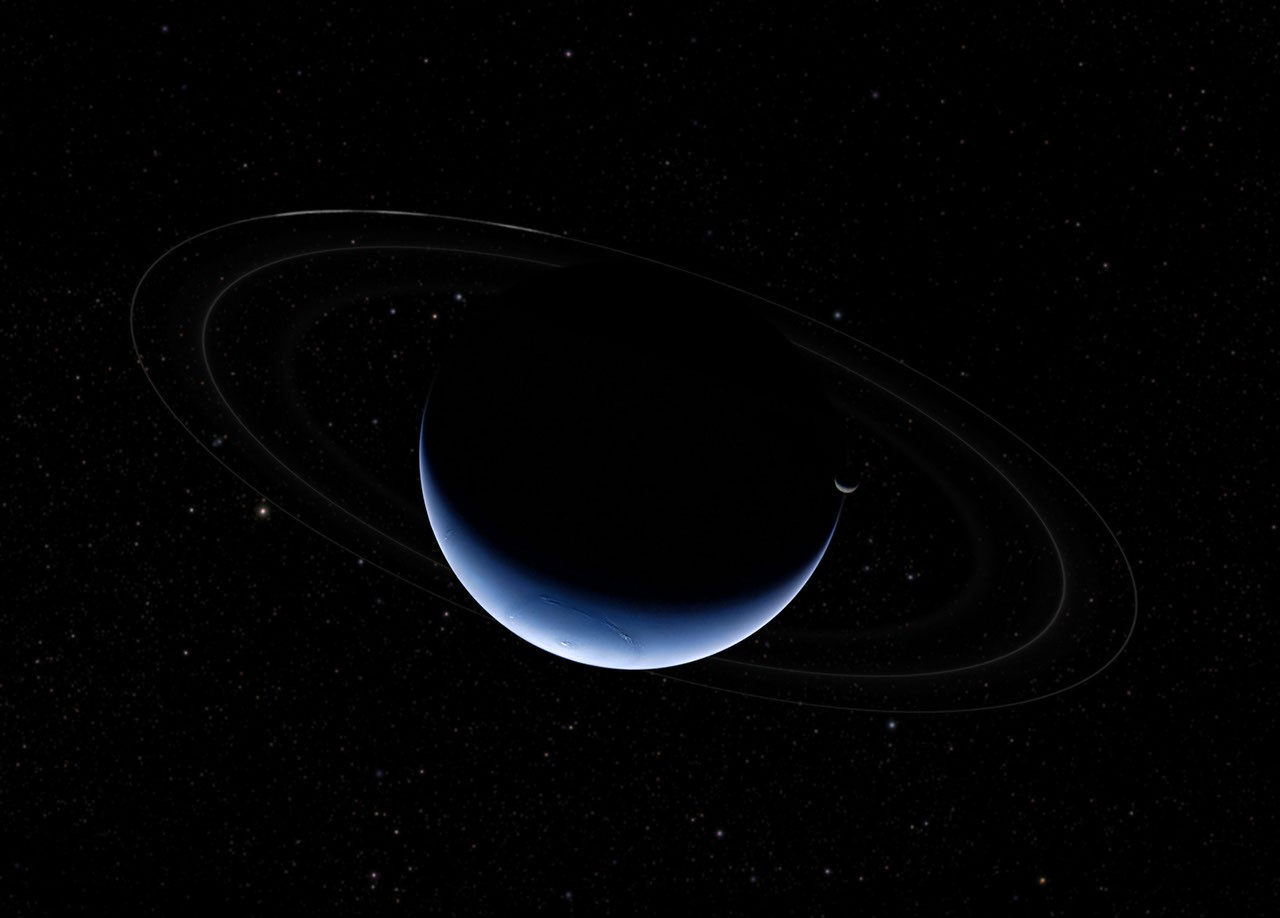
NASA APOD November 21, 2026: Voyager 2’s Neptune Encounter Explained
NASA’s APOD for November 21, 2026 revisits Voyager 2’s only visit to Neptune. The composite image merges 1989 flyby frames with modeled data to show the planet, Triton,…
til, tech tips & parenting tricks
NASA’s APOD for November 21, 2026 revisits Voyager 2’s only visit to Neptune. The composite image merges 1989 flyby frames with modeled data to show the planet, Triton,…
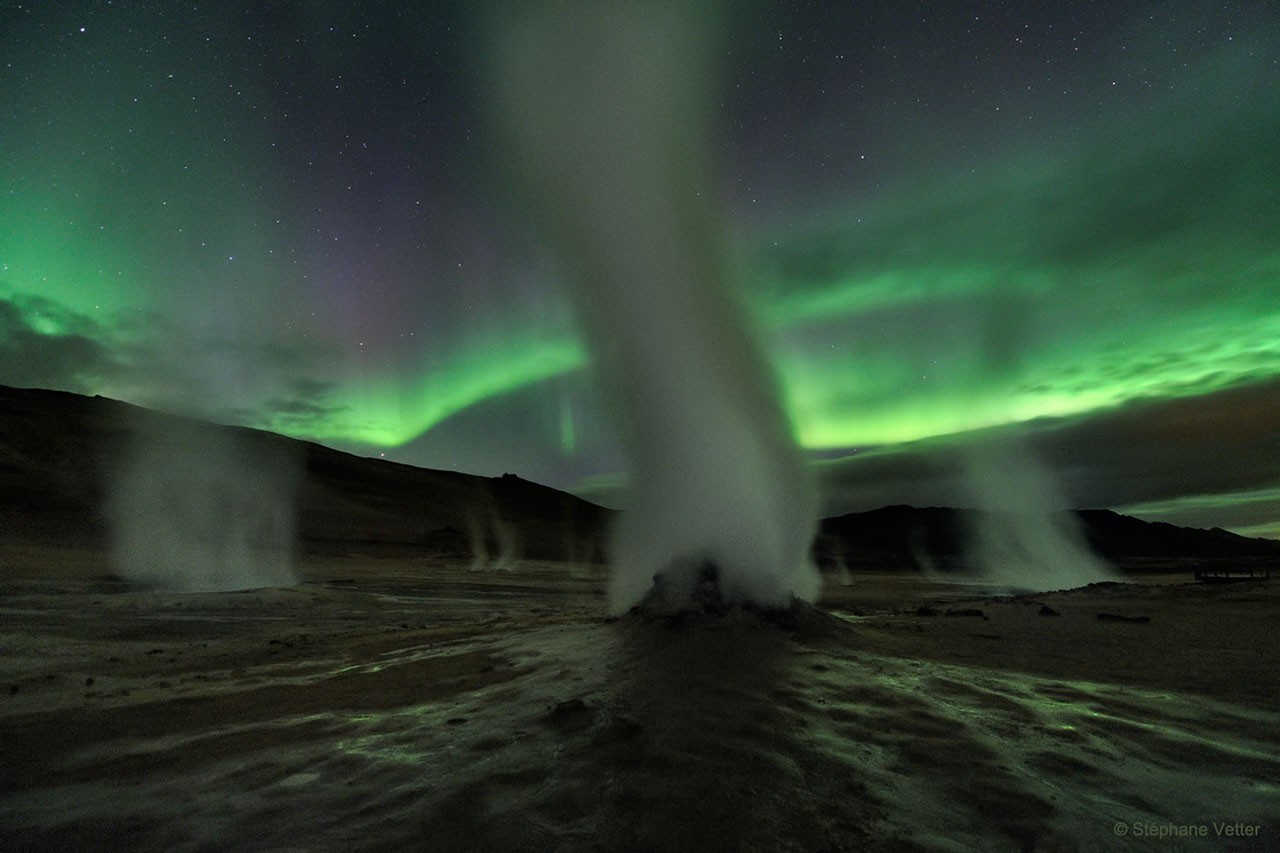
NASA’s Astronomy Picture of the Day for Halloween 2026 reveals Earth’s own aurora dancing above Iceland’s geothermal steam vents. This guide breaks down the image, the science, and…
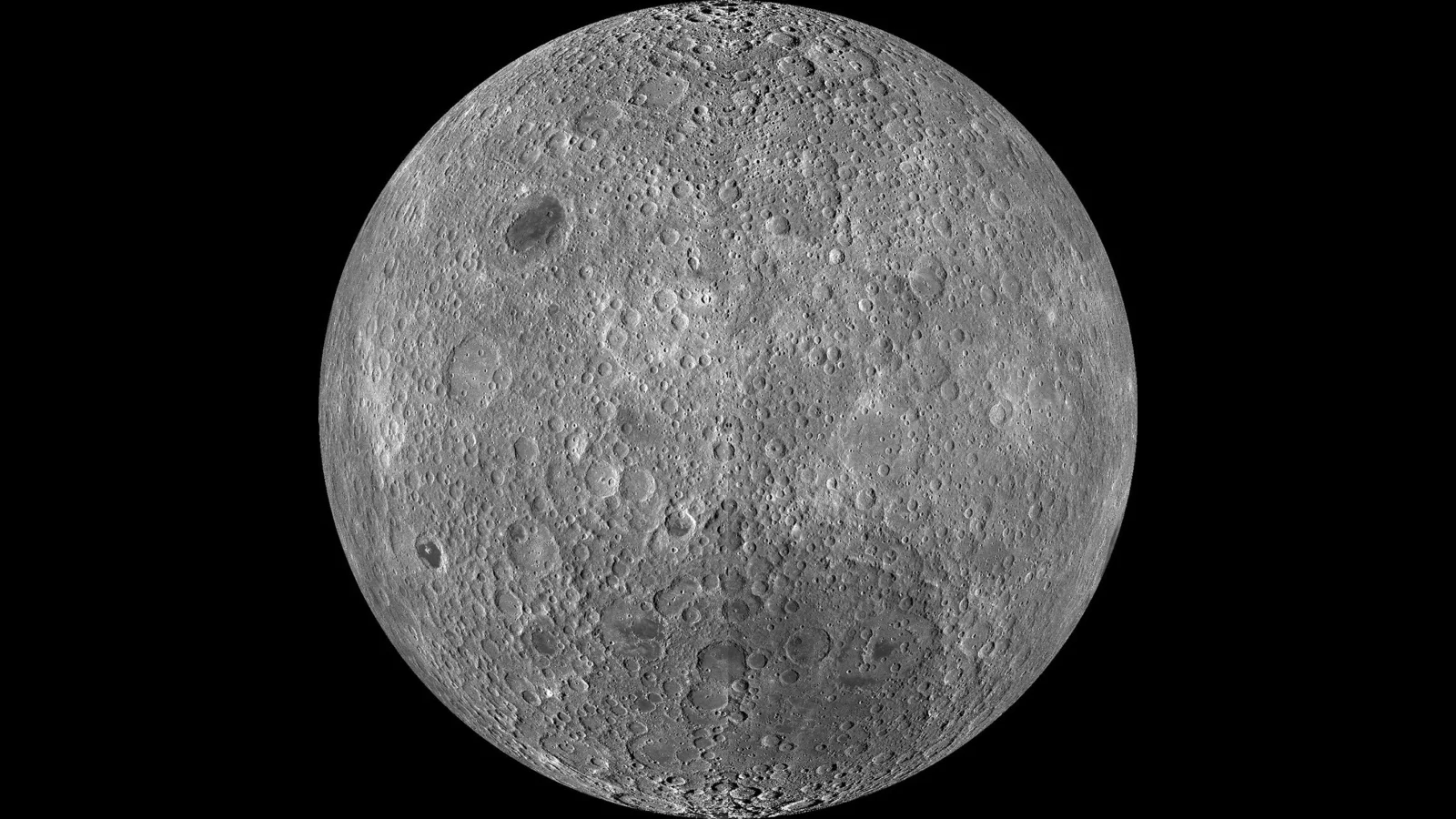
The Moon rotates, its far side receives sunlight, and an APOD publication date is not a capture date. This guide separates orbital geometry, geology and image evidence.
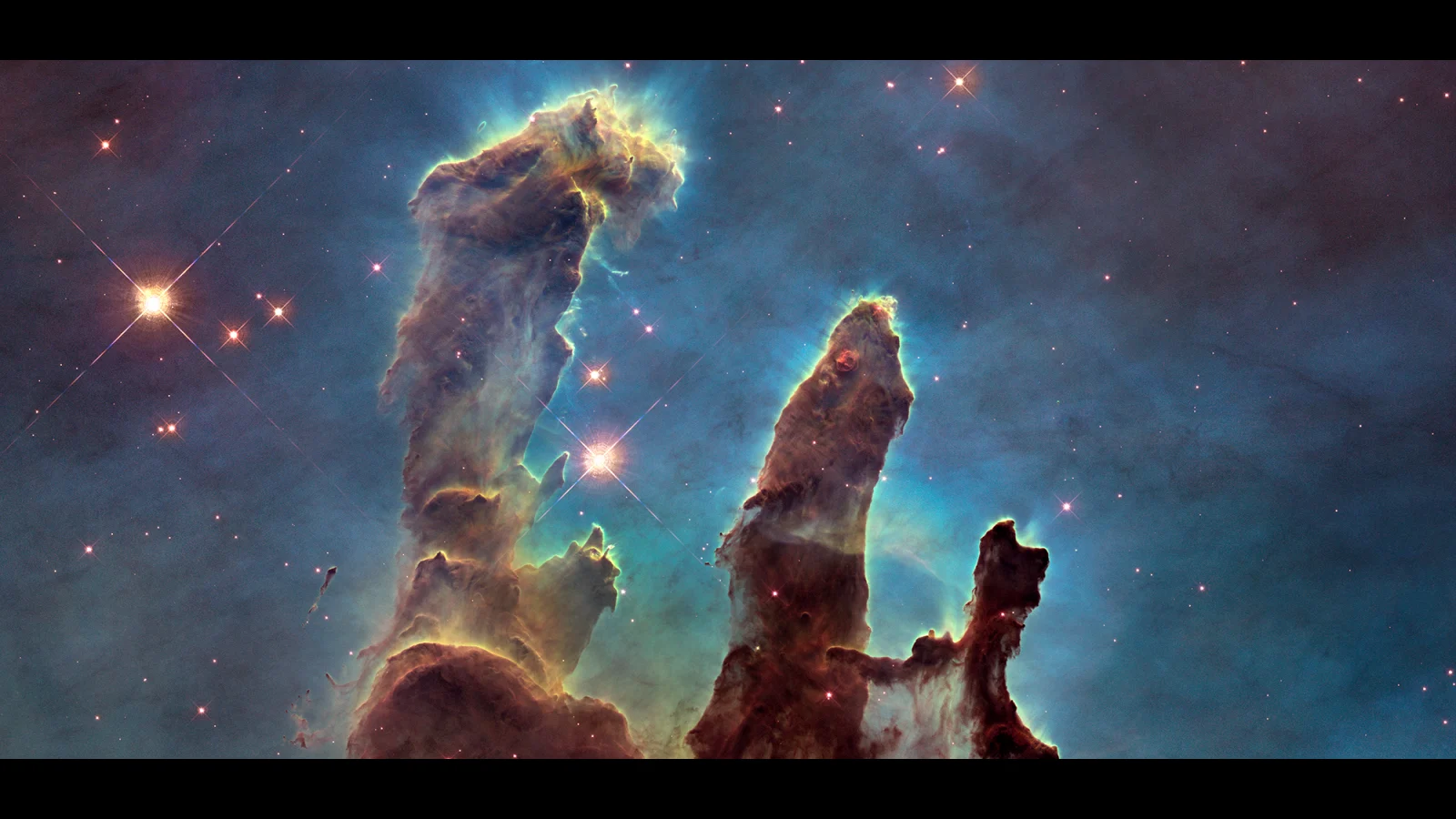
Catalog labels connect photographs with scientific records. This guide explains Sh2 names, glowing hydrogen, varied nebula origins and how to read a complete collection.
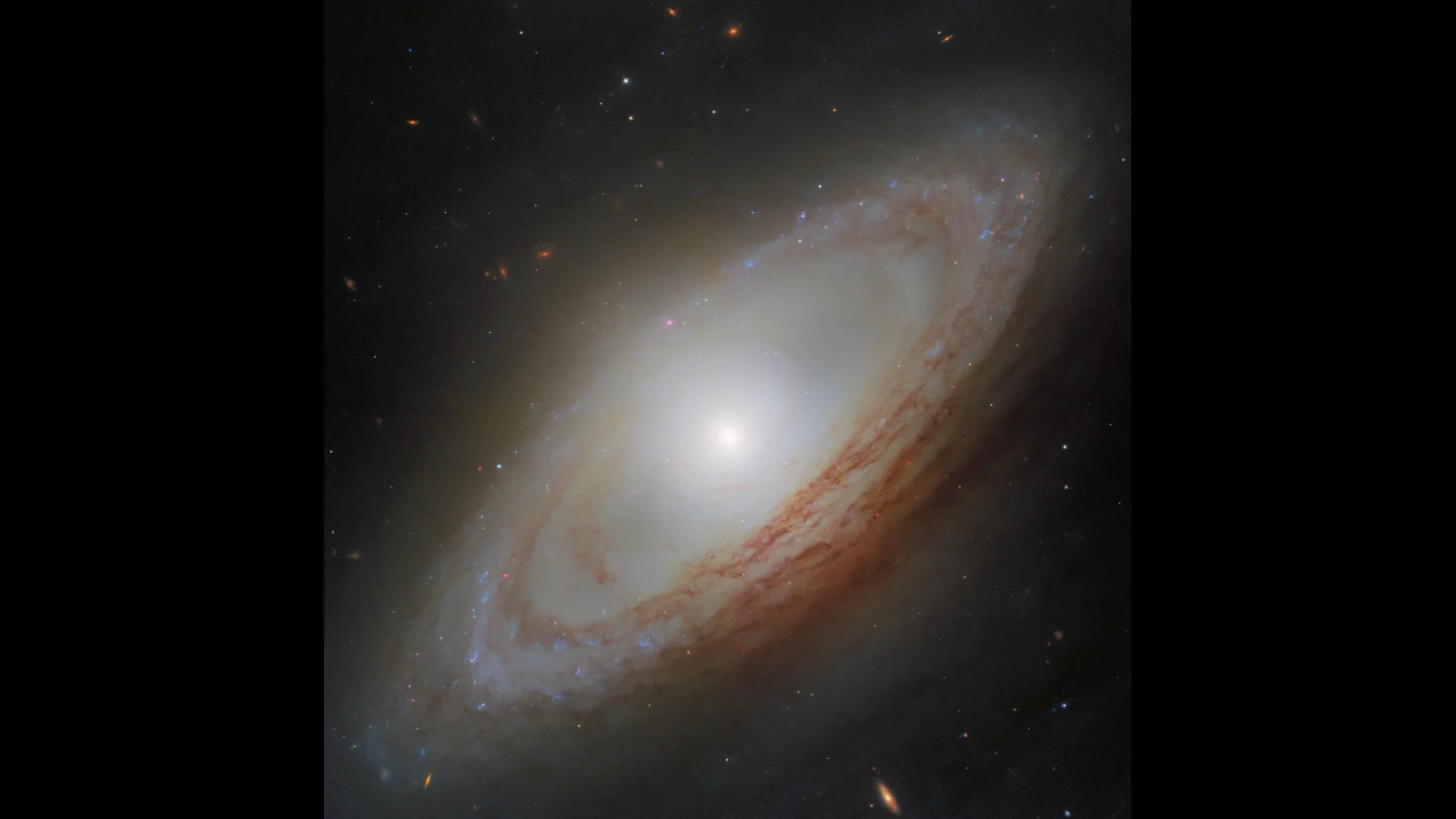
NGC 4698 looks orderly, but its central structure and rotation do not share the disk’s simple alignment. Learn how appearance, motion and history become separate questions.
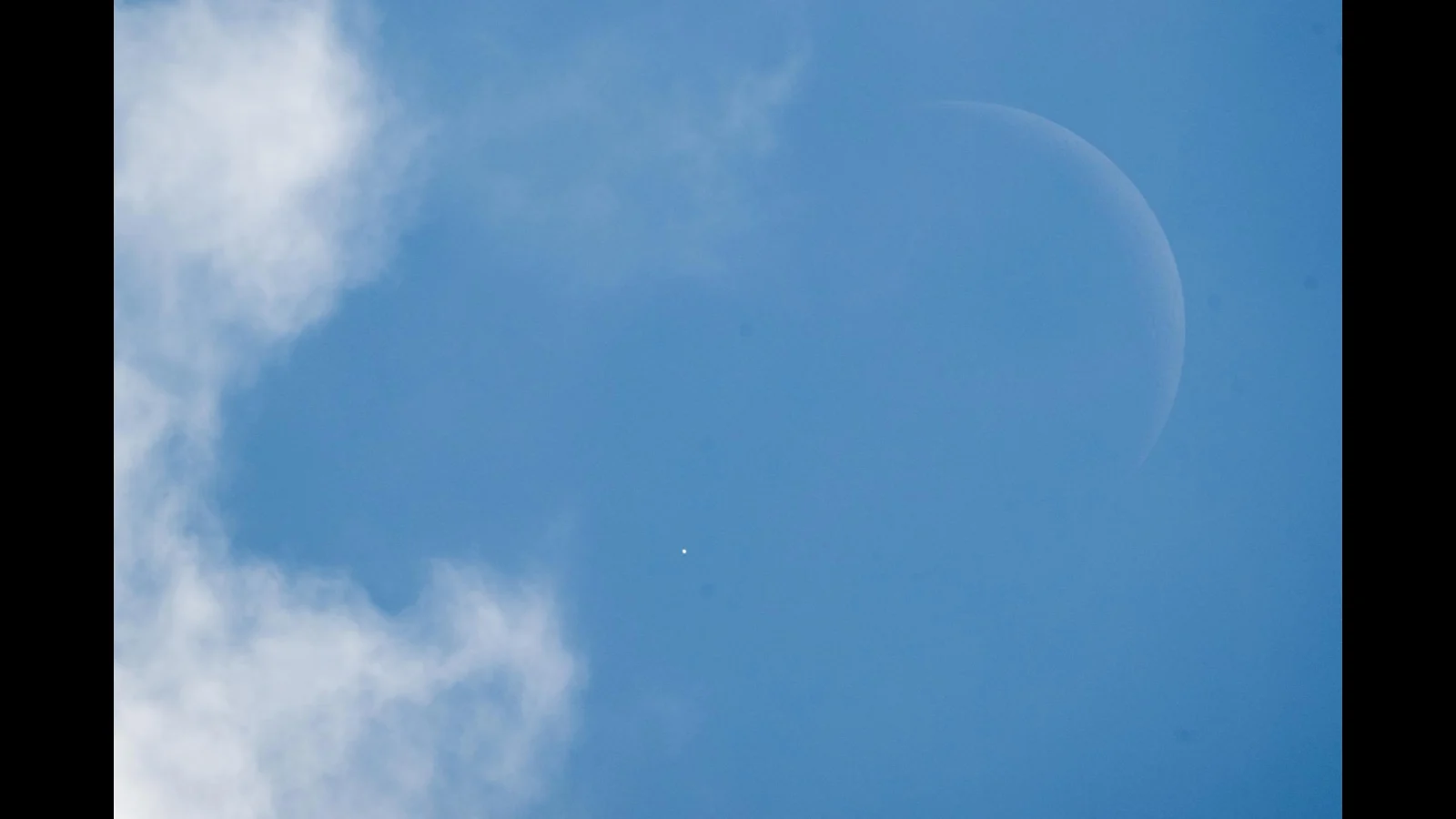
An occultation is a line-of-sight event, not a collision. Use a safe indoor demonstration to understand apparent size, viewpoint and the Moon’s motion.
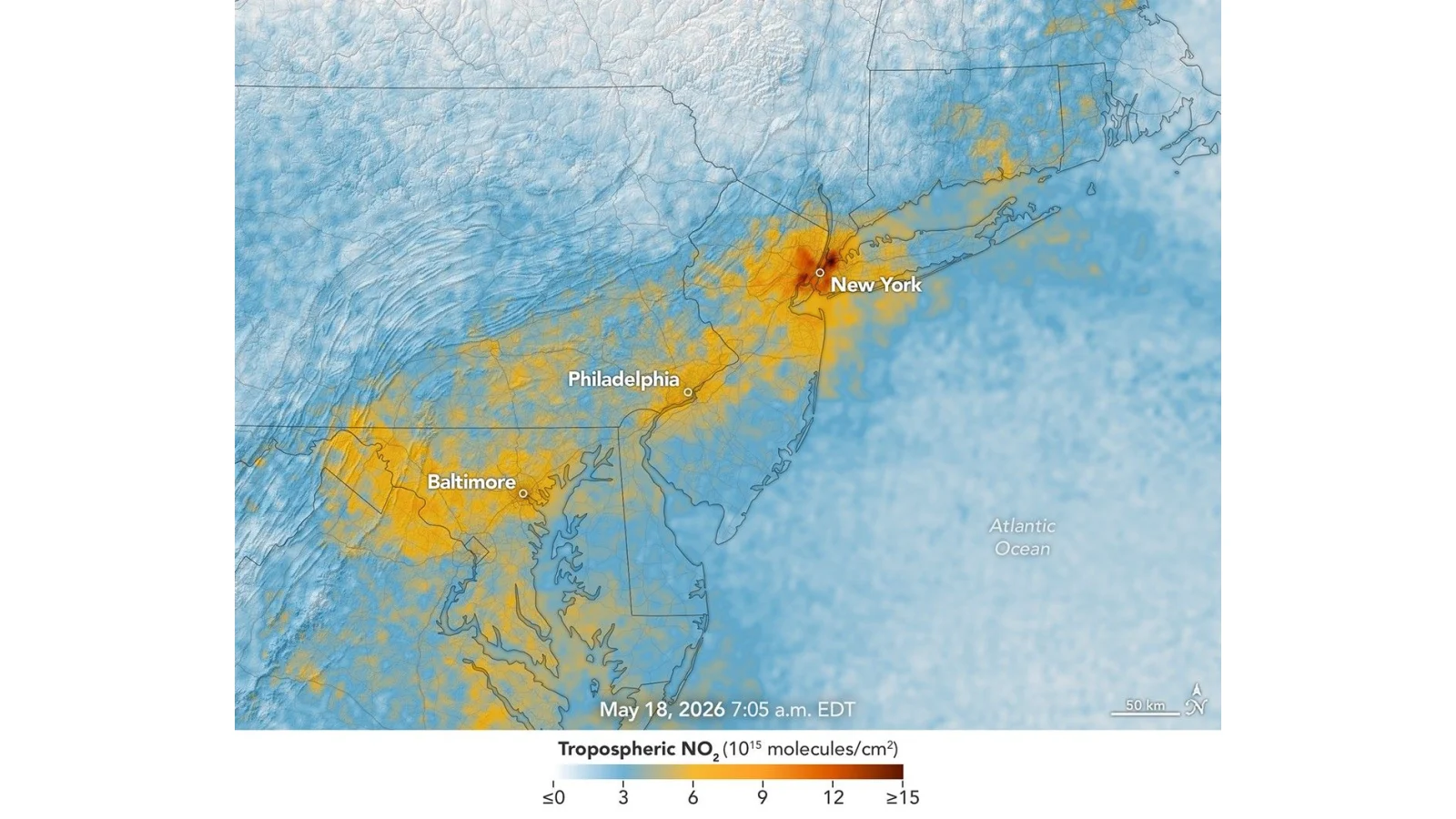
TEMPO data can help students investigate real patterns, provided the product, time, units and limitations stay attached to the image. Learn how to make a fair comparison.
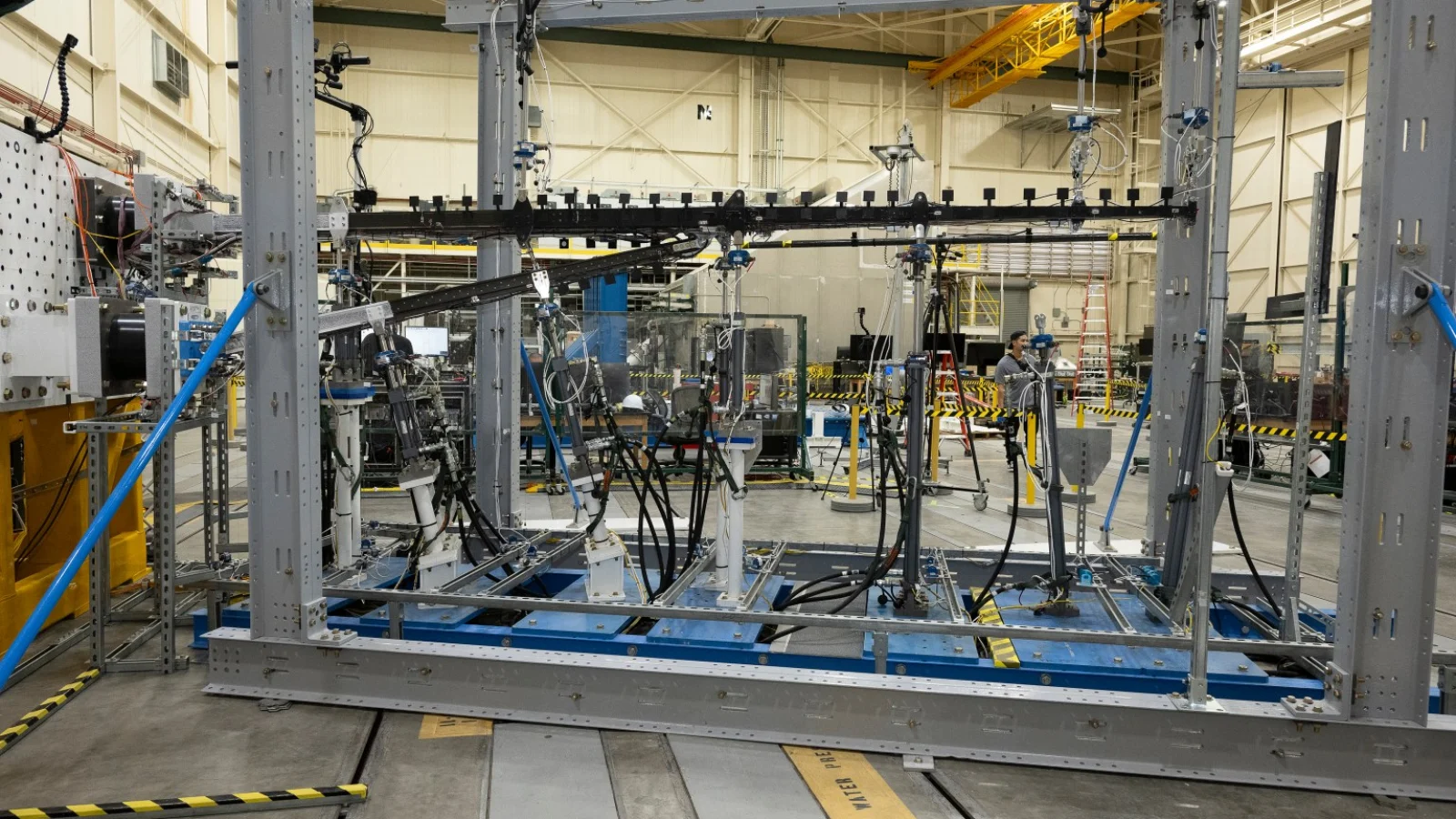
NASA loaded a composite wing to understand how its real structure compared with predictions. The useful lesson is the evidence—not an invented airworthiness claim.
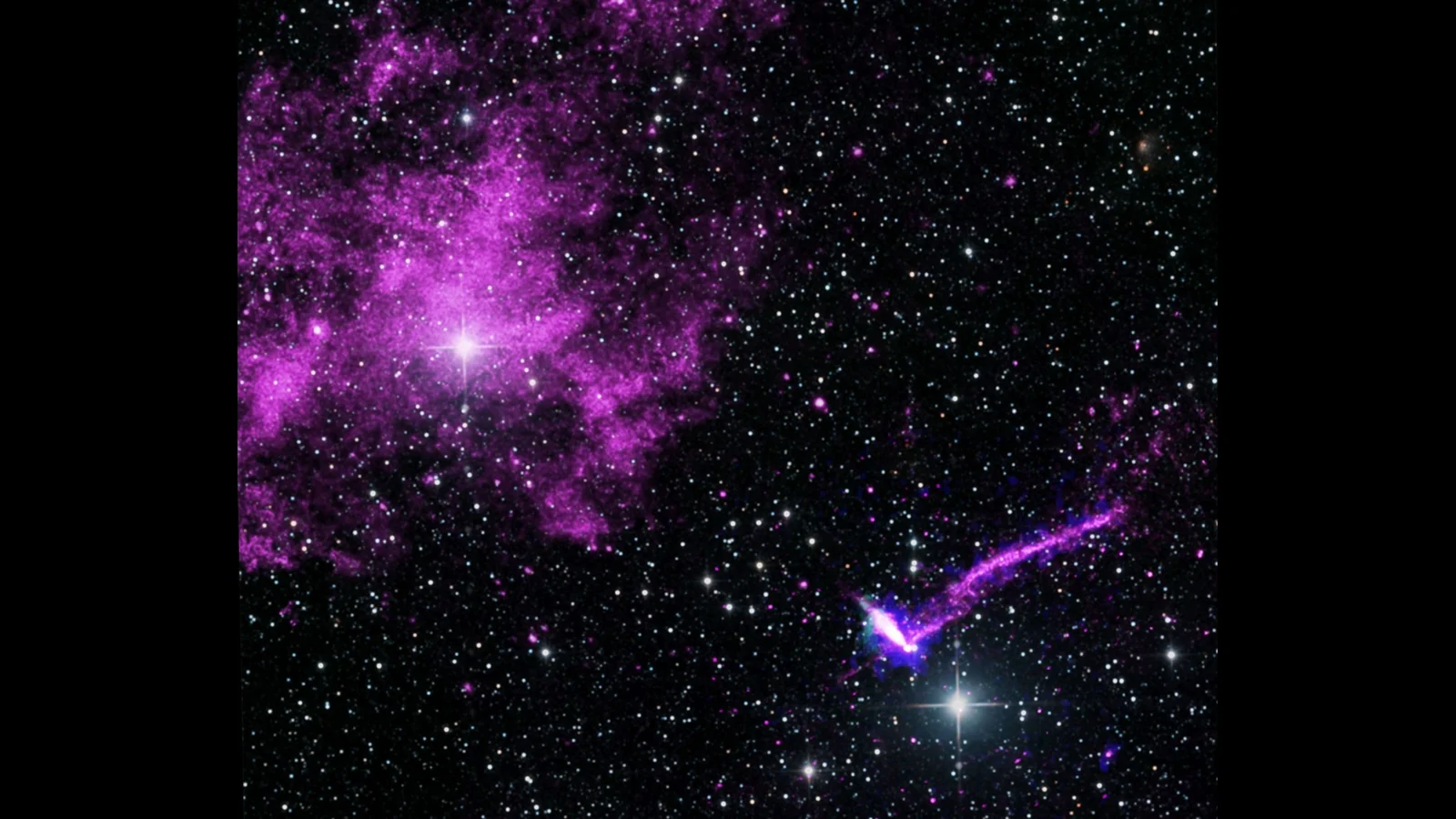
IXPE’s polarization measurements reveal information that a bright space image alone cannot: how the Lighthouse Nebula’s energetic particles relate to magnetic structure.
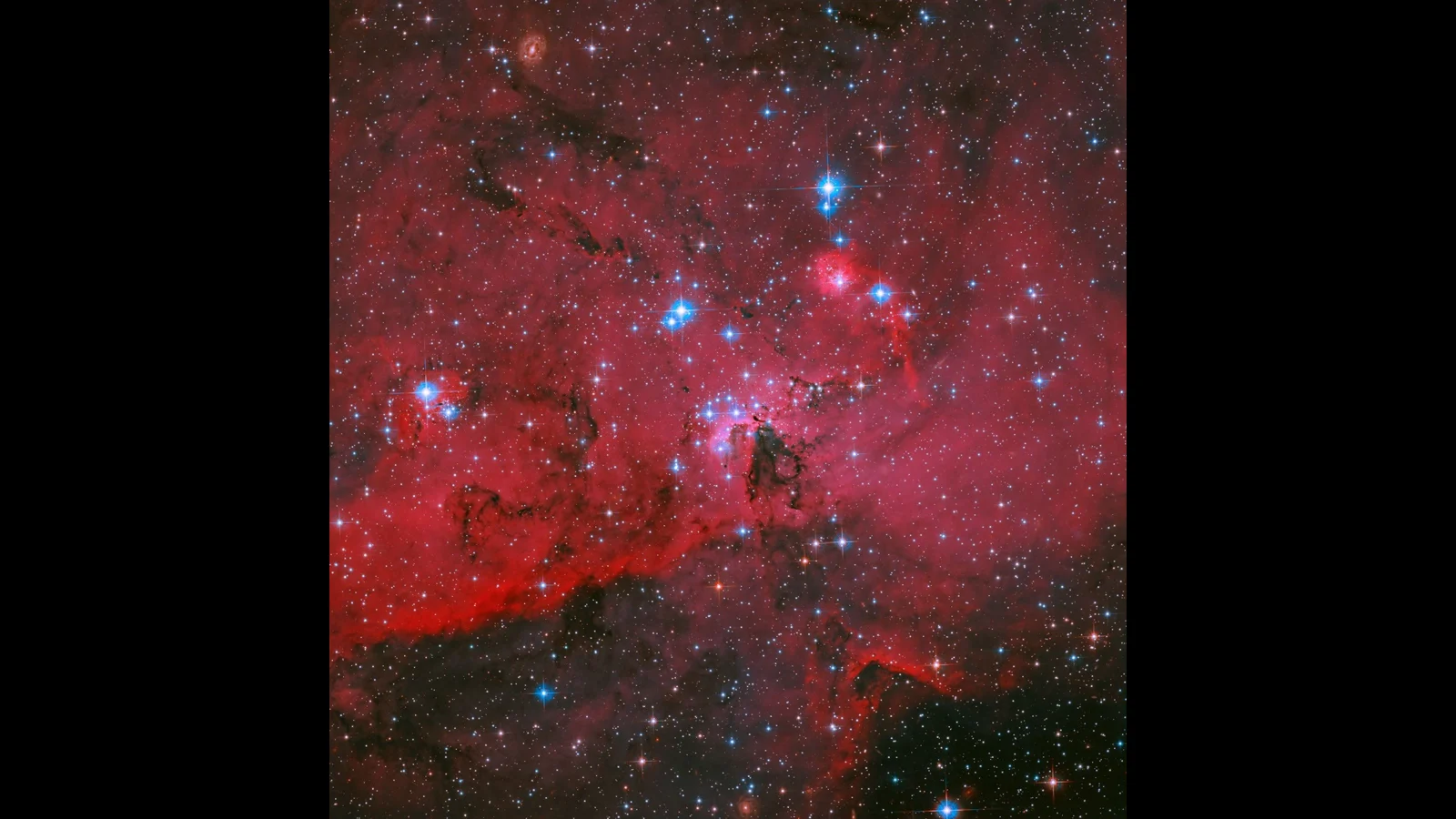
A stellar nursery is not just a pretty cloud. LH 95 shows young stars supplying energy, hydrogen emitting light and dust hiding parts of the scene.