On this page
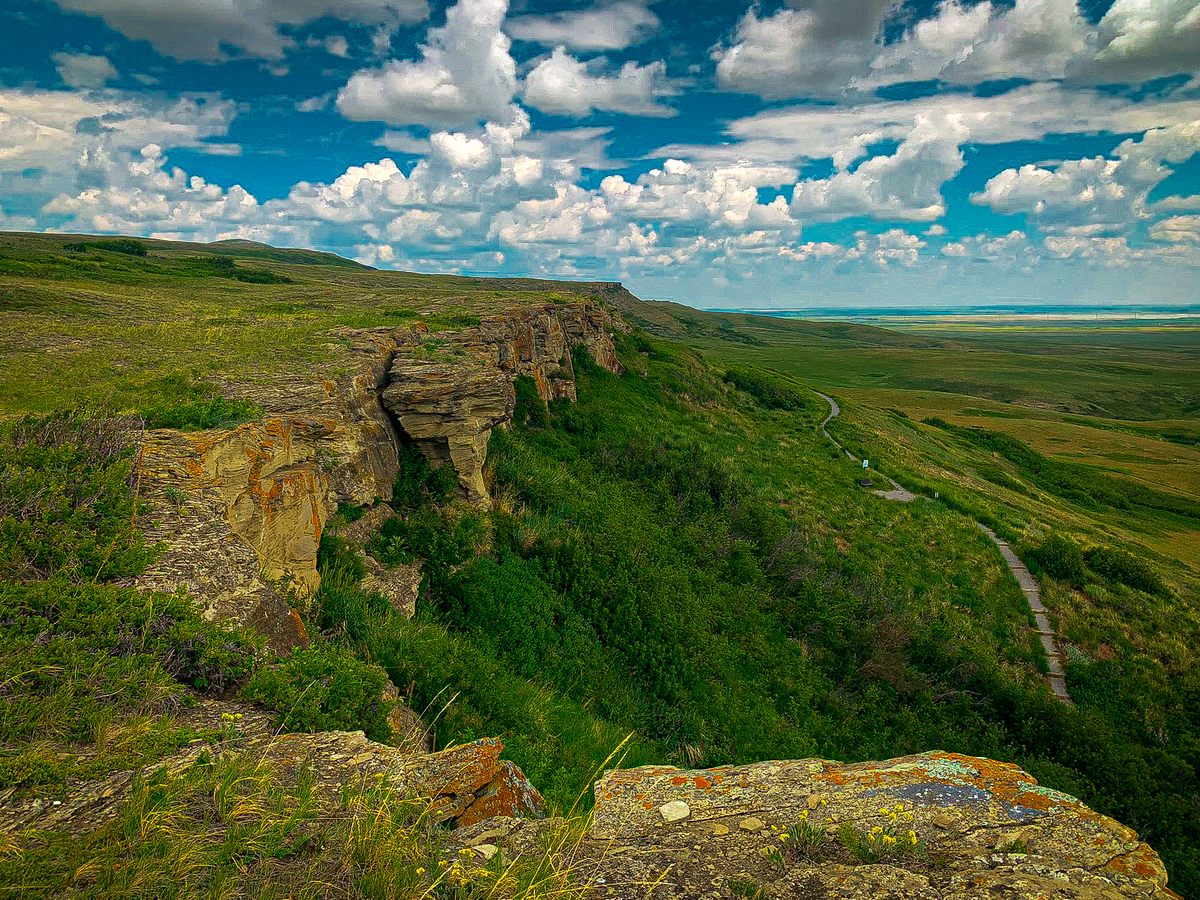
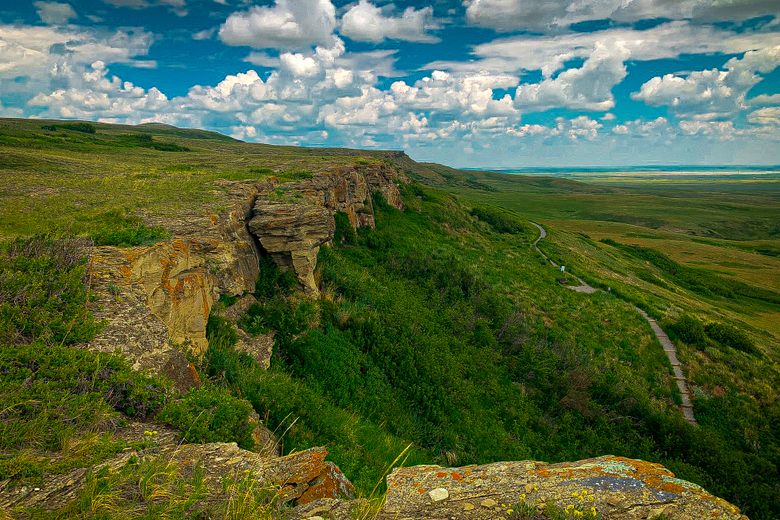
The Atlas Obscura Podcast recently aired an episode that pairs travel storytelling with literary insight, inviting Canadian novelist Esi Edugyan to trace the hidden layers of Alberta’s past. In under fifteen minutes the conversation moves from a UNESCO‑listed buffalo jump to the ghost towns of Black homesteaders, illustrating how overlooked historical footnotes can seed entire novels.
This podcast episode matters because it uncovers a largely erased chapter of Canadian history — Black homesteaders who settled central and northern Alberta — through the lens of novelist Esi Edugyan’s research. For readers, it challenges the dominant narrative of the prairies as exclusively white, revealing how fiction can recover footnotes of history that textbooks omit. The story resonates now as conversations about representation and historical accountability grow; understanding these communities reshapes how we see Alberta’s cultural landscape and whose stories deserve preservation.
The Podcast and Its Host
Kelly McEvers hosts the daily Atlas Obscura Podcast, which bills itself as an audio guide to the world’s strange and wondrous places. Each episode runs under fifteen minutes and features a guest who illuminates a specific site or story. The Alberta episode was produced in partnership with Travel Alberta, underscoring a tourism angle while preserving the show’s editorial curiosity.
Esi Edugyan’s Alberta Roots
Edugyan grew up in Calgary’s Glamorgan neighbourhood during the 1980s, recalling a childhood framed by the Rocky Mountains visible from her front stoop. She describes the province as a blend of wide‑open prairie skies and a burgeoning urban food scene, a contrast that still shapes her imagination despite having left for Vancouver Island in 1995. Her memories of tumbleweeds rolling through suburban streets and of watching David Cronenberg films at the Globe Cinema illustrate a cultural texture that later informs her writing.
Discovering Black Homesteaders
While studying at Johns Hopkins, Edugyan visited the University of Virginia library and stumbled upon a history book about Alberta. An image of Black homesteaders working land in central and northern Alberta shocked her because she had never encountered a Black presence in the province’s mainstream narrative. The book detailed a government campaign called the “Last Best West” that recruited American farmers, including freedmen, between roughly 1908 and 1911. These settlers faced crop unfamiliarity, local resistance, and eventual government discouragement, limiting the communities to about a thousand people at their peak.
Amber Valley’s Rise and Decline
Amber Valley emerged as the most prominent of these townships, boasting log cabins, a school, and a celebrated baseball team that competed regionally. The community persisted into the 1950s, when economic pressures drove many descendants to Edmonton and Calgary. Today the site is largely a ghost town, though a few original buildings survive and can be visited, offering a tangible link to this overlooked chapter.
- Government recruitment (“Last Best West”) brought freedmen from Oklahoma and Texas to Alberta around 1908‑1911.
- Amber Valley peaked at several hundred residents with its own school and baseball team.
- By the 1950s most families relocated to larger cities, leaving a ghost town.
Literary Inspiration from History
Edugyan transformed the Amber Valley story into her debut novel, The Second Life of Samuel Tyne, reimagining the settlement as a functioning community in the 1960s. The protagonist, a Ghanaian immigrant, mirrors Edugyan’s own family background, allowing her to explore themes of reinvention and belonging. She credits the “footnotes of history” — small, forgotten details — as the spark for her fiction, a method she continues in later works.
Edugyan’s research process highlights how archival surprises can redirect a writer’s trajectory; the library discovery was accidental, not a targeted search.
Why This Matters
Recovering the Black homesteader narrative expands the public understanding of Canadian prairie history, which has long centered on European settlement. It also demonstrates how podcast storytelling can surface academic research for a general audience, turning a scholarly footnote into a cultural conversation. For creators, the episode models a workflow: listen to a concise audio piece, follow the cited sources, and let the uncovered details seed new projects.
What to Do Next
Listen to the full Atlas Obscura Podcast episode for the complete dialogue and ambient sound design. Then consult the original history book referenced by Edugyan (often cited as The Last Best West in Canadian archives) to verify dates and policies. Finally, consider visiting Head‑Smashed‑In Buffalo Jump and the Amber Valley site to experience the landscapes that inspired both the podcast and the novel.
When using podcast transcripts as research leads, cross‑check every claim with primary documents or reputable secondary sources before citing them in your own work.
Want more practical guides? Explore more Ayxworks insights and save this article for later.
FAQ
What is the Atlas Obscura Podcast episode about?
The episode features novelist Esi Edugyan discussing Alberta’s hidden Black homesteader history and the prehistoric Head‑Smashed‑In Buffalo Jump.
Who were the Black homesteaders in Alberta?
They were freedmen from Oklahoma and Texas recruited by the Canadian government’s “Last Best West” campaign between roughly 1908 and 1911.
What happened to Amber Valley?
Amber Valley thrived for decades with a school and baseball team, but most residents moved to Edmonton and Calgary by the 1950s, leaving a ghost town.
How did this history influence Esi Edugyan’s writing?
Edugyan used the Amber Valley story as the basis for her first novel, The Second Life of Samuel Tyne, reimagining the settlement in the 1960s.
Where can I visit the sites mentioned?
Head‑Smashed‑In Buffalo Jump is a UNESCO World Heritage site near Fort Macleod; remnants of Amber Valley are accessible in central Alberta.
Can I trust the podcast transcript as a primary source?
The transcript is an edited version of the audio; for scholarly work, verify details against the original government records and historical publications cited in the episode.
External Sources and Further Reading
- Atlas Obscura Podcast: Exploring Alberta’s Rich History in Fiction
- Smithsonian Magazine: Roman Cup and Treasures in a 2,000‑Year‑Old Tomb