On this page
Apple’s first foldable iPhone, the iPhone Duo, is set to arrive with pre‑orders opening Friday and shipments beginning October 23. The device carries a $1,999 starting price and a handful of compromises that buyers should weigh before committing. Below is a concise rundown of the key trade‑offs, competitive context, financing options, accessories, and what to do next.
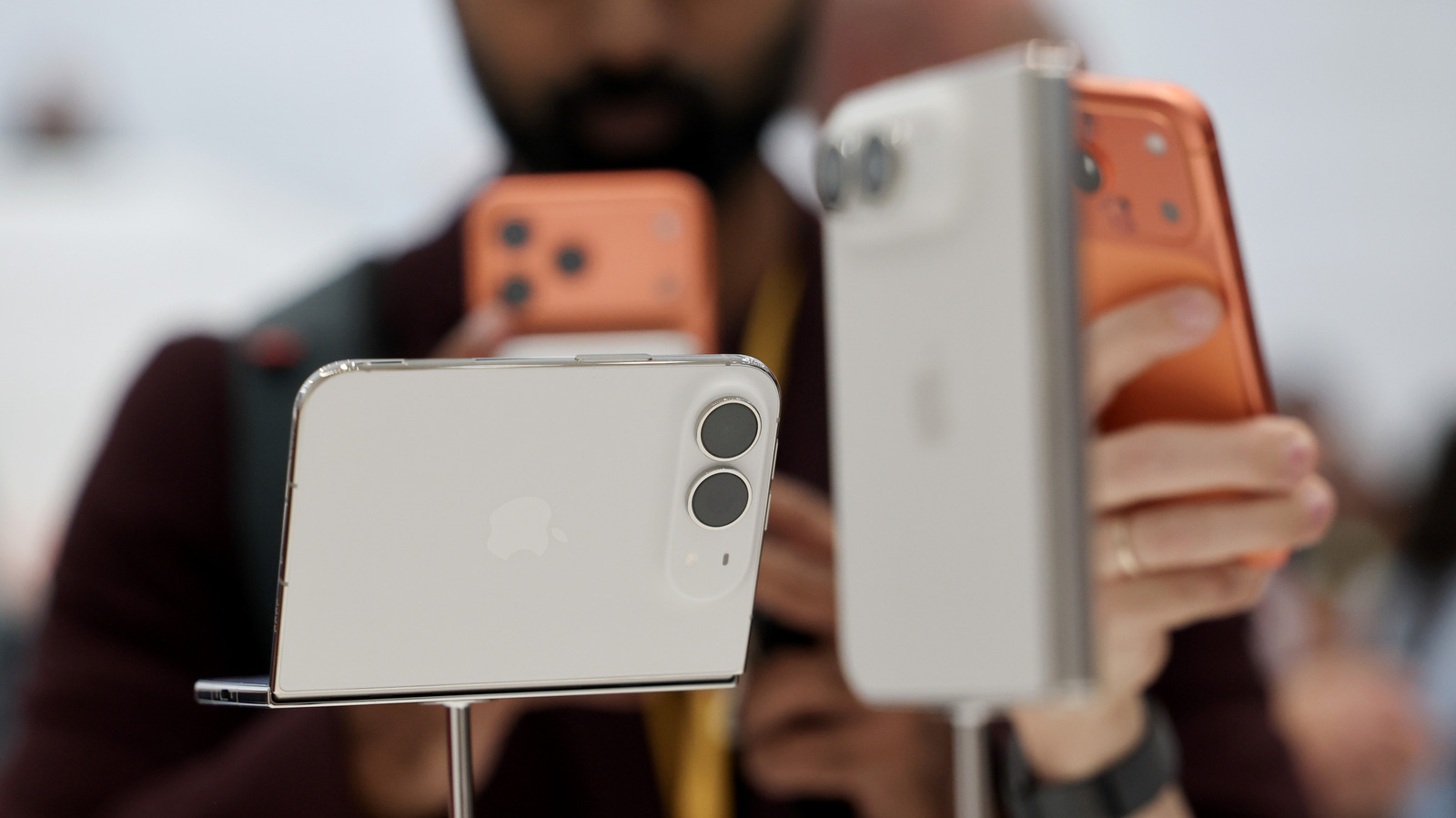
With pre-orders opening soon, the iPhone Duo forces buyers to weigh Apple’s first foldable design against real compromises: a camera system without a telephoto lens, Touch ID instead of Face ID, and third-party apps that may not yet fill the screen properly. Anyone ready to spend on the most expensive iPhone yet should decide now whether the new form factor is worth those trade-offs before committing.
What You Give Up Compared to a Regular iPhone
The Duo matches mid‑range iPhones with only two rear cameras and no dedicated telephoto lens. A 2× “optical‑quality” zoom comes from a digital crop of the 48‑megapixel main sensor, which falls short of the true optical zoom on the iPhone 18 Pro. The front camera drops to 12 megapixels versus 18 megapixels on newer models, and the main lens lacks the variable aperture found on Pro devices. Unlocking relies on a side‑button Touch ID, and the Action Button is absent, limiting quick‑access shortcuts to Control Center. Camera Control remains, allowing a single press to launch a preferred camera app.
- Two rear cameras, no dedicated telephoto.
- 12 MP front camera, no variable aperture.
- Touch ID on side button, no Action Button.
How the iPhone Duo Compares to Other Foldables
When stacked against the Galaxy Z Fold 8 and Pixel 11 Pro Fold, the Duo is heavier (254 g vs. 201 g) and thicker (11.3 mm vs. 9.7 mm). Both rivals start at $1,899 — $100 less — and the Pixel adds a 5× optical telephoto lens, which our review notes makes it one of the best camera systems on a foldable. Ecosystem lock‑in remains the decisive factor: if you already rely on Apple services, the Duo integrates seamlessly; otherwise, the competition offers lighter hardware and stronger optics for less money.
Note: Detailed side‑by‑side comparisons are available in Engadget’s Duo vs. Z Fold 8 and Duo vs. Pixel 11 Pro Fold articles.
The Deals Available
Apple’s trade‑in program can shave up to $885 off the price, while Apple Card installments start at $83.29 per month for 24 months interest‑free. The Apple Upgrade plan with Klarna begins at $57.99 per month, letting you return, pay off, or upgrade at term end. Carrier promotions are aggressive: AT&T offers up to $1,200 trade‑in credit, T‑Mobile provides up to $1,000 for Xfinity Mobile Plus customers, and even without a trade‑in Mobile Plus users can claim a $400 pre‑order discount. Any reduction helps when the out‑the‑door cost exceeds $2,000.
Accessories Worth Considering
Apple’s first‑party lineup includes a $79 plastic case (Navy Blue or Sand) and a $129 magnetic Duo Folio with a built‑in kickstand (Navy Blue or Taupe). The Duo is the first iPhone to support Apple Pencil for drawing and notes, though support arrives via a software update later this year and only works with the USB‑C Apple Pencil designed for iPad — older Pencil 2 or Pencil Pro models are incompatible. As usual, no power adapter ships in the box; Apple’s new 40W Dynamic Power Adapter (60W max) can charge the Duo to 50 % in about 20 minutes.
Tip: If you already own a USB‑C Apple Pencil for iPad, you’re set; otherwise budget for a new Pencil alongside the phone.
Why This Matters
The iPhone Duo represents Apple’s most radical hardware shift since the original iPhone. Its compromises — camera downgrades, missing Face ID, and an immature app ecosystem — are real, but the foldable form factor could unlock new multitasking workflows for power users entrenched in the Apple ecosystem. Understanding the trade‑offs now prevents buyer’s remorse once the device ships and early reviews surface.
What to Do Next
If you’re leaning toward a pre‑order, evaluate your current device’s trade‑in value through Apple’s estimator and compare carrier offers side by side. Reserve a compatible Apple Pencil only if you plan to use stylus features soon. Keep an eye on the first independent reviews next week — they will clarify battery life, hinge durability, and real‑world app behavior. Remember the 14‑day return window gives you a safety net if the experience falls short.
Want more practical guides? Explore more Ayxworks insights and save this article for later.
FAQ
Does the iPhone Duo have a telephoto lens?
No. It relies on a 2× digital crop from the 48 MP main sensor, which does not match the optical quality of a dedicated telephoto lens.
Can I use Face ID on the iPhone Duo?
Face ID is absent; unlocking uses Touch ID integrated into the side button.
Will all my apps work correctly on the foldable screen at launch?
Only a handful of major apps (Netflix, Zoom, Slack) have launch‑day updates. Most third‑party apps will show stretched layouts or black bars until developers optimize them.
What financing options does Apple provide?
Apple Card installments start at $83.29/month for 24 months interest‑free, and the Apple Upgrade plan with Klarna starts at $57.99/month with return/upgrade flexibility.
Is there a return policy if I dislike the Duo?
Yes, Apple offers a standard 14‑day return window for a full refund.
Do I need a new Apple Pencil for the Duo?
Only the USB‑C Apple Pencil designed for iPad works; older Pencil 2 or Pencil Pro models are not compatible.