On this page
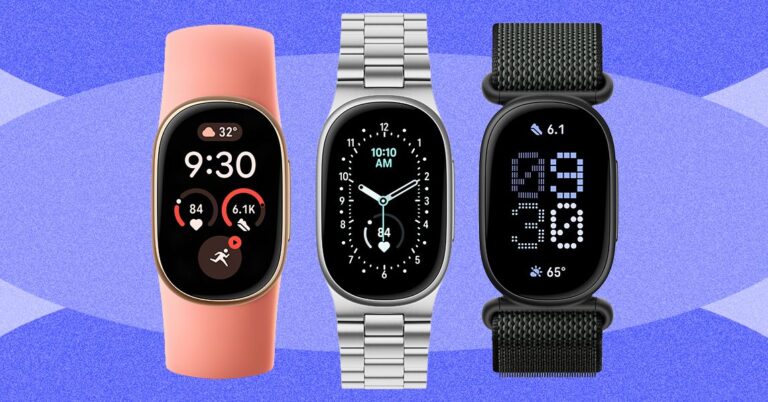
Google has added a new mid‑range wearable to the Fitbit lineup with the Fitbit Edge, positioning it between the basic Inspire 3 and the full‑featured Pixel Watch series. The Edge brings an aluminum case, built‑in GPS, and expanded health sensors while keeping a price tag of $180. This article breaks down the key differences so you can decide which tracker fits your routine.
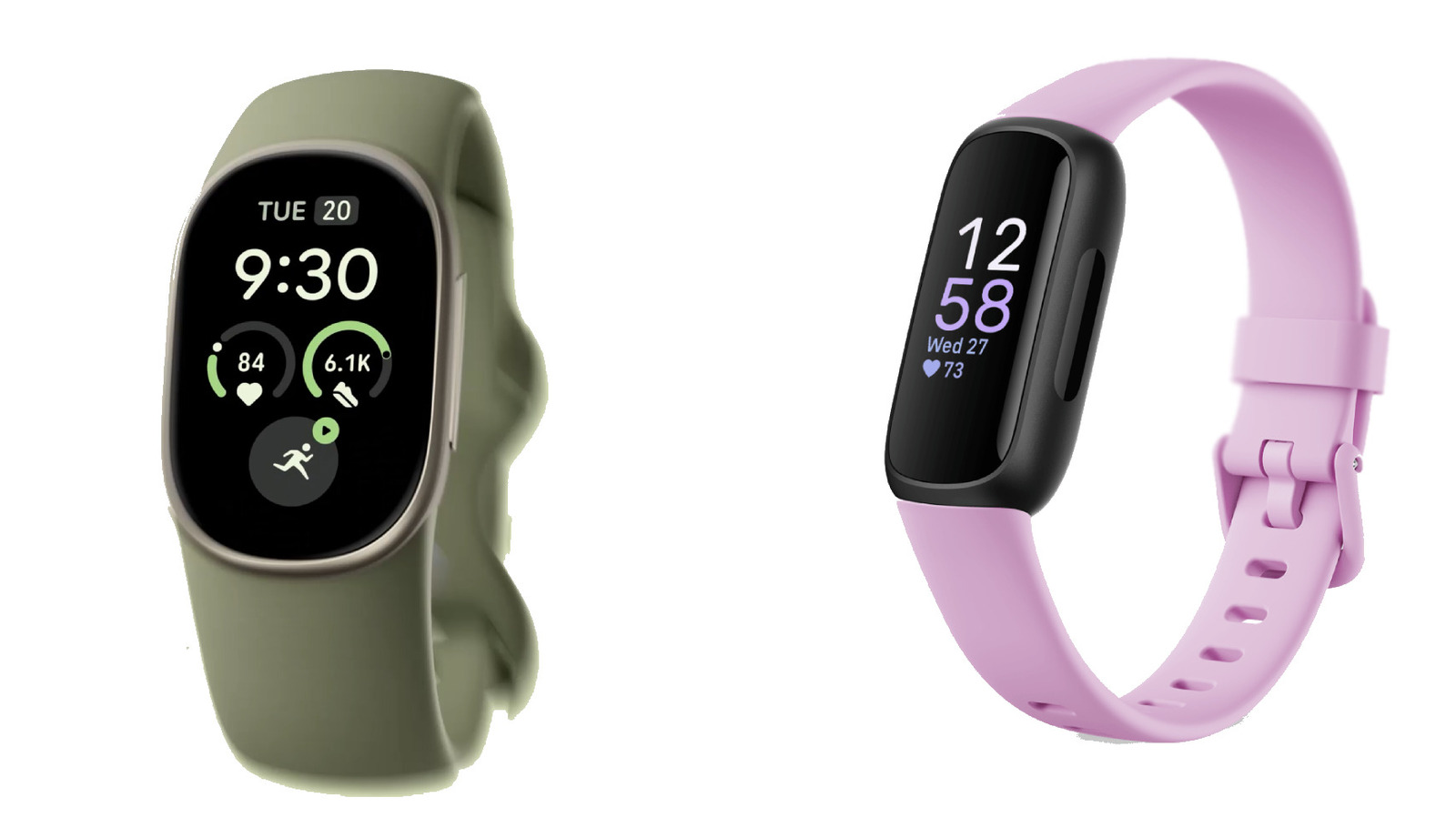
If you’re deciding between a basic tracker and a more capable wrist device, the Fitbit Edge’s built‑in GPS and Bluetooth 5.4 let you leave your phone behind on runs and stream music directly, while the Inspire 3 still needs a phone for location data. The Edge also adds automatic detection of 100 activities, cardio‑load metrics, and floor counting — features that matter for anyone tracking training load or wanting a watch that looks office‑appropriate. The price gap means the choice hinges on whether those extras justify the extra $80.
Design and Build Quality
The Edge uses a 100 % recycled aluminum case and a tactile side button, giving it a more premium feel that transitions from gym to office. The Inspire 3 retains a plastic rectangular case. Both are water‑resistant to 5 ATM, but only the Edge adds an IP68 dust‑resistance rating.
Display and Size Differences
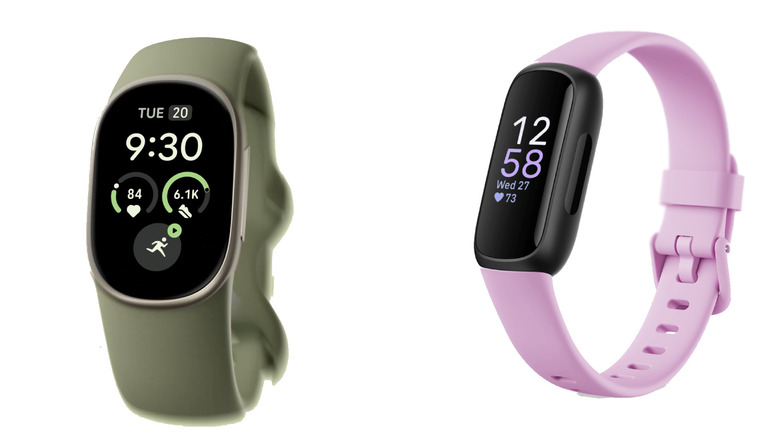
Both trackers feature AMOLED panels, yet the Edge’s screen is 6.9 mm wider. Dimensions are otherwise similar: Edge at 39.2 × 25.5 × 11.5 mm versus Inspire 3 at 39.32 × 18.6 × 11.75 mm. The Edge ships in four standard colors plus a $220 Steph Curry edition, while the Inspire 3 offers three colors.
Connectivity and GPS
A major upgrade is the Edge’s integrated GPS, which Google claims improves tracking accuracy by 40 % and lets you leave your phone behind on runs. Bluetooth 5.4 enables direct headphone pairing, and the Edge supports Quick Replies, music controls, weather, and upcoming Google Maps integration. The Inspire 3 relies on connected GPS and lacks these wrist‑based features.
Fitness Tracking Capabilities
The Edge automatically detects 100 movement types and supports over 50 exercise modes, compared with 20 on the Inspire 3. New metrics include cardio load, target cardio load, floors climbed, and heart‑rate monitoring on workout machines. Both devices track activity continuously, but the Edge’s broader mode library suits multi‑sport athletes.
Key upgrades at a glance
- Aluminum case with IP68 dust resistance
- Built‑in GPS and Bluetooth 5.4
- ECG app with AFib detection
- Blood‑pressure and insulin‑resistance insights
- Up to 7‑day battery vs. 10‑day on Inspire 3
Health Monitoring Features
Heart‑health tracking is where the Edge pulls ahead. It includes 24/7 heart‑rate monitoring, an ECG app for irregular‑heartbeat detection, monthly blood‑pressure trends, and insulin‑resistance estimates. The Inspire 3 offers optical heart‑rate, SpO₂, and an accelerometer but lacks ECG and the deeper metabolic insights. Both include a skin‑temperature sensor, yet the Edge adds a gyroscope and altimeter for richer GPS data.
Note: The ECG and blood‑pressure features are not a substitute for clinical diagnosis. Consult a healthcare professional for medical concerns.
Battery Life and Durability
Google rates the Edge at up to seven days per charge, while the Inspire 3 reaches ten days. In practice, charging a couple of times a week narrows the gap. Both share 5 ATM water resistance for showering and pool laps, but only the Edge carries the IP68 dust seal.
Tip: If you prioritize multi‑week battery over advanced metrics, the Inspire 3 remains a solid budget choice.
Why This Matters
The Edge fills a gap for users who want smartwatch‑like connectivity without the bulk or cost of a Pixel Watch. Its standalone GPS and health sensors make it a credible companion for serious training, while the premium materials appeal to everyday wear. Understanding these trade‑offs helps you match a device to your lifestyle rather than chasing specs alone.
What to Do Next
Compare the current retailer price for both models, then consider which features you’ll actually use daily. If standalone GPS, ECG, and a metal build matter, the Edge justifies its higher price. If you only need basic activity and sleep tracking, the Inspire 3 delivers excellent value. Check the latest firmware updates for each device before purchasing.
Want more practical guides? Explore more Ayxworks insights and save this article for later.
Fitbit Inspire 3: How These Google Fitness Trackers Compare Wearables Google’s latest tracker is a middle ground between a simple tracker and full smartwatch.
20, 2026 6:30 pm EST Google Add Engadget on Google: Google Discover Google has unveiled the Fitbit Edge , its latest smartwatch for tracking your health, sleep and fitness.
FAQ
Does the Fitbit Edge require a phone for GPS tracking?
No. The Edge has built‑in GPS, so you can track runs and rides without carrying your smartphone.
Can the Inspire 3 detect irregular heart rhythms?
The Inspire 3 does not include an ECG app; only the Edge offers AFib detection.
What is the battery life difference between the two trackers?
The Edge lasts up to seven days per charge, while the Inspire 3 can reach ten days.
Are both devices suitable for swimming?
Yes. Both have a 5 ATM rating, allowing shallow‑water swimming and showering.
Does the Edge support contactless payments?
The source article does not mention contactless payments for either model.
Which tracker offers more exercise modes?
The Edge supports over 50 exercise modes and auto‑detects 100 activities; the Inspire 3 supports 20 modes.
External Sources and Further Reading
- Fitbit Edge vs. Fitbit Inspire 3: How these Google fitness trackers compare (Engadget)
- Google has joined Amazon in attacking Nvidia’s stronghold with AI app developers (TechCrunch)
- Google’s more personalized Gemini AI is heading to your car (The Verge)
- Google brings Gemini Personal Intelligence to Android Auto (Engadget)