On this page
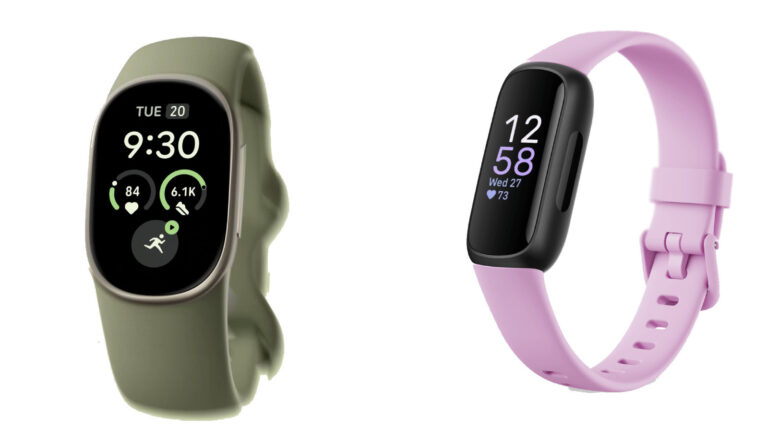
The Google Fitbit Edge arrives as the first screen‑equipped tracker from the brand since 2023, positioning itself between the budget‑friendly Charge 6 and the premium Pixel Watch 5. After nearly two weeks of daily wear, the device feels like a solid upgrade for existing Fitbit fans, yet it still leaves room for the screenless Air to shine.
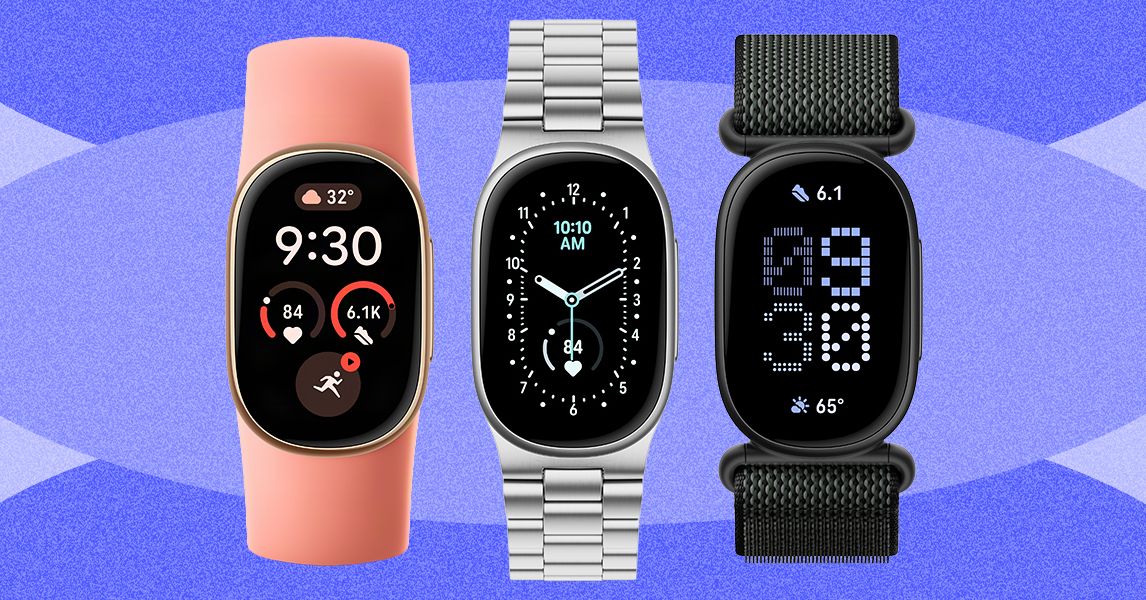
Google’s first screened tracker since 2023 arrives at a critical midpoint: $180 buys you a display and advanced health metrics without the $400 Pixel Watch bulk, but the missing NFC and finicky band clasp mean you’re trading wallet convenience for a screen you might not need. For anyone still on a Charge 5 or older, the Edge is the only modern path to a display-equipped Fitbit — yet the screenless Air at $100 already covers sleep, stress, and recovery better for many. Your upgrade decision now hinges on whether a screen justifies the compromises.
Design and Comfort
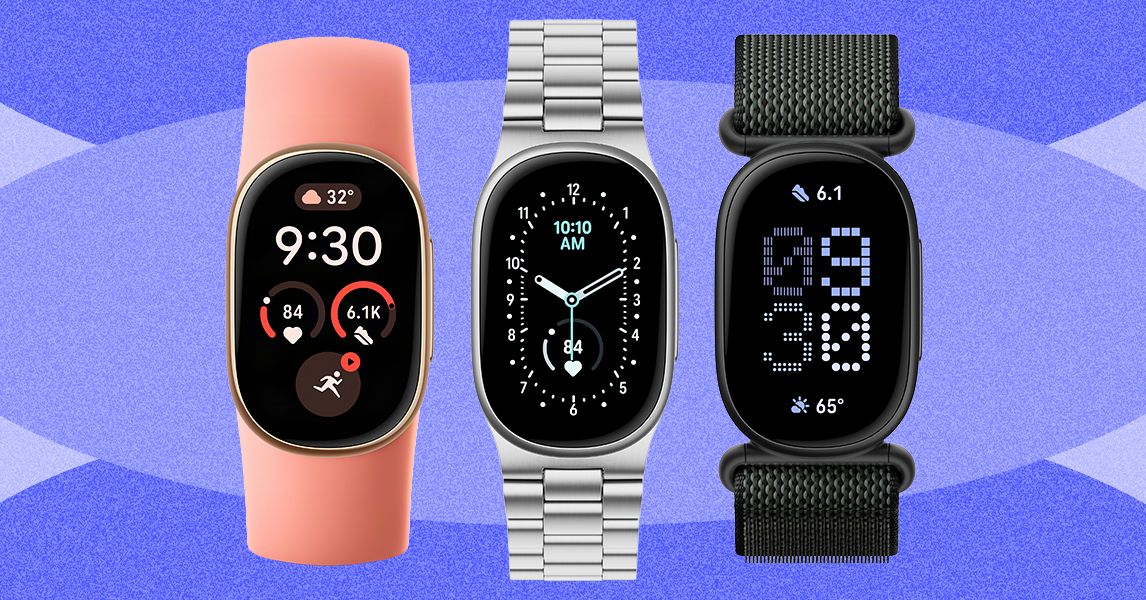
The Edge measures 39.2 × 25.5 × 11.5 mm, slightly larger than the Charge 6, but its capsule shape sits more naturally on slender wrists. The reviewer swapped between the Metal Links band for evenings and the Performance Loop for workouts, noting the Loop’s micro‑adjustable fit can be pulled too tight and the locking button occasionally stuck (source).
Band choice matters: the Active band is functional for sweat‑heavy sessions, while the Metal Links give a dress‑watch feel. The Magnet silicone band offers a quick‑release clasp, but the reviewer found the locking mechanism on the Performance Loop sometimes required a manual nudge to re‑engage.
- Capsule profile suits smaller wrists better than the rectangular Charge 6.
- Multiple band options: Active, Active Sport, Performance Loop, Magnet, Metal Links.
- Band fastening can be finicky; the locking mechanism may need manual adjustment.
Display and Usability
The 1.34‑inch AMOLED panel reaches roughly twice the Charge 6’s peak brightness, making outdoor runs readable in direct sunlight. Google Maps turn‑by‑turn directions appear on the wrist, and music controls are accessible without slowing down. The interface remains simpler than Wear OS, but the trade‑off is up to seven days of battery life (source).
Adjustable brightness lets you dim the screen for night‑time use, reducing sleep disruption. However, the watch‑face library feels elementary compared with Wear OS’s richer complications, and third‑party app support is still limited to Fitbit’s own ecosystem.
Health and Fitness Features
New sensors bring monthly blood‑pressure and insulin‑resistance trends, nightly SpO₂ averages, 24/7 heart‑rate tracking, cardio load, and an updated ECG app with AFib detection. Continuous glucose monitor data can be viewed alongside nutrition logs. Most of these insights sit behind Google Health Premium ($10/month or $100/year), though a three‑month trial ships with every new device (source).
The gyroscope improves automatic activity recognition, yet the reviewer noted occasional over‑sensitivity: a single step while catching breath could restart a paused run. This behavior can be corrected manually, but it adds a small friction point during interval training.
Note: Without the Premium subscription you still receive core metrics, but AI‑driven coaching and deeper trend analysis remain locked.
Battery Life and Repairability
A 65 mAh cell delivers up to seven days per charge, matching the Charge 6 and far exceeding the Pixel Watch 5. In a first for Fitbit, the Edge uses a modular, user‑replaceable battery — a design driven by upcoming EU regulations requiring removable batteries by February 2027 (source).
The IP68 rating adds dust‑ and water‑resistance suitable for swimming, and the 5 ATM rating covers shallow‑water activities. Combined with the replaceable cell, the Edge could stay functional well beyond the typical two‑year upgrade cycle.
Tip: If you plan to keep the tracker for several years, the replaceable battery could extend its useful life well beyond the typical two‑year cycle.
Why This Matters
The Edge signals Google’s commitment to repairable wearables and a broader health‑data platform. For buyers who want a screen without the bulk of a full smartwatch, it fills a niche, yet the missing NFC chip means it cannot fully replace a phone‑free payment method — a feature the older Charge 6 still offers.
This matters because the wearable market is splitting: some users prioritize a minimalist, screenless band for pure health tracking, while others need a glanceable display for navigation and notifications. The Edge tries to serve both but compromises on contactless payments.
What to Do Next
If you already own a Charge 6, the Edge’s brighter display and richer health suite justify the $20 premium. Newcomers should weigh the $180 price against the $100 Air, which delivers comparable core tracking without a screen. Check current retailer pricing before deciding, and consider whether a Google Health Premium subscription fits your budget.
Hands‑on testing in a store can reveal whether the band fastening feels secure on your wrist. Also, evaluate the Premium trial period — three months is enough to gauge whether the AI coaching adds value for your training style.
Want more practical guides? Explore more Ayxworks insights and save this article for later.
FAQ
Does the Fitbit Edge support contactless payments?
No. Unlike the Charge 6, the Edge lacks an NFC chip, so Google Wallet cannot be used for tap‑to‑pay.
How does the Edge compare to the Fitbit Air?
The Air is screenless, costs $100, and offers the same core health metrics. The Edge adds a display, brighter screen, and repairable battery but costs $80 more and omits NFC.
Is a Google Health Premium subscription required?
Core tracking works without it, but advanced trends, AI coaching, and deeper insights need the $10/month (or $100/year) Premium plan.
What bands are available for the Edge?
Google sells Active, Active Sport (HNBR), Performance Loop, Magnet (silicone), and Metal Links bands, each with distinct fit and style.
Can the battery be replaced by the user?
Yes. The Edge’s modular construction includes a user‑replaceable battery, a first for Fitbit trackers.
External Sources and Further Reading
- Wired Gear – Google Fitbit Edge Review
- Wired Gear – LG B6 OLED TV Review
- Wired Gear – Lykyn Automated Mushroom Grow Box Review
- Wired Gear – Valve Steam Frame Review
- Wired Gear – Best Dyson Vacuum Deals for Dyson Week 2026