On this page
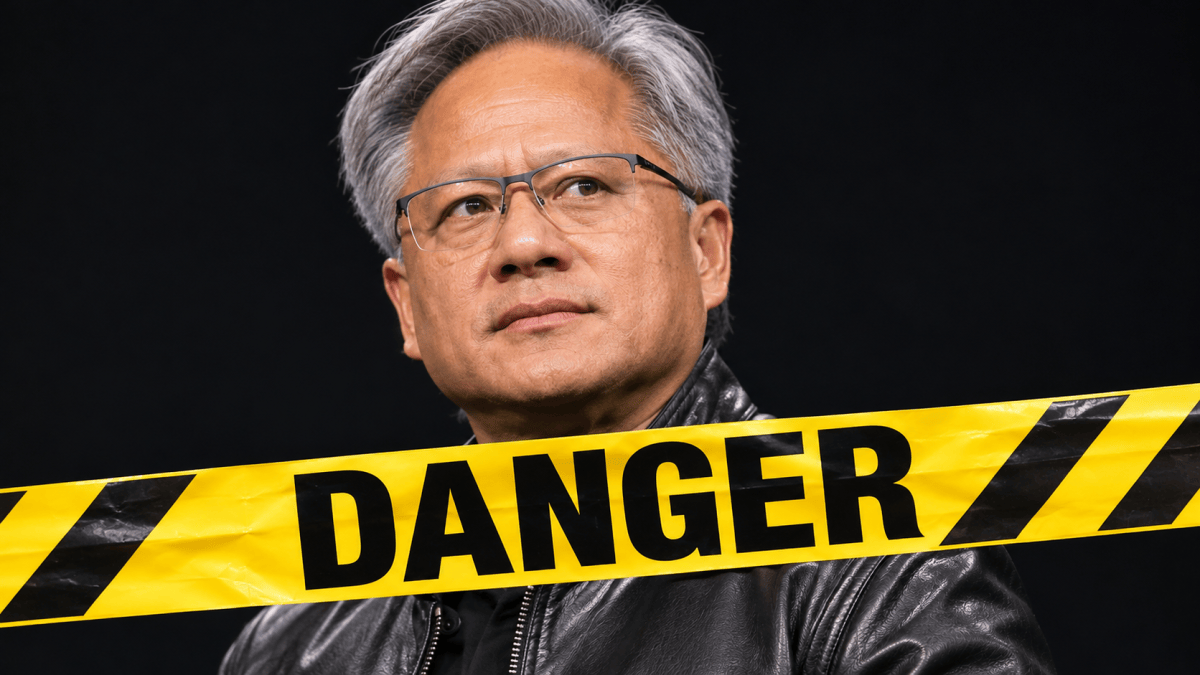
Yale management scholar Jeffrey Sonnenfeld has turned the spotlight on Nvidia, arguing that the company’s most advanced GPUs have slipped into the hands of strategic rivals despite U.S. export controls. His critique arrives as the board, under intense White House pressure, reinstated CEO Jensen Huang — a move Sonnenfeld says could saddle directors with unprecedented personal liability.
The episode shows how political pressure can override corporate governance, putting Nvidia’s directors at personal legal risk while the company faces a cascade of lawsuits, antitrust scrutiny, and export‑control investigations. Investors may see their holdings eroded by class‑action claims, and policymakers gain a concrete case for tighter chip‑export rules as advanced GPUs reportedly reach adversaries. The outcome will shape how future boards balance government demands against fiduciary duties.
Background: Huang’s Return and Political Pressure
After a brief ouster, Jensen Huang was welcomed back as CEO and board member following a weekend of private calls led by Vice President JD Vance and a direct call from President Trump, who publicly claimed credit for the reversal. The board had previously ruled out his return, but the administration’s intervention overrode that decision, a sequence documented by TechCrunch.
Sonnenfeld notes that Nvidia derives less than 1 % of revenue from U.S. government contracts, so the board had little financial leverage to resist political pressure. The episode raises questions about whether fiduciary duty was subordinated to executive branch influence.
Sonnenfeld’s Core Argument: Nvidia as Detriment
In a Q&A with TechCrunch, Sonnenfeld labeled Nvidia a “detriment to U.S. global industrial might,” citing research that its cutting‑edge chips have reached Chinese military‑linked institutions such as Northwestern Polytechnical University. He argues that the same hardware fuels open‑source Chinese models that mimic leading U.S. labs, effectively transferring American AI breakthroughs abroad.
He also points to the enthusiastic reception of Huang’s reinstatement in Chinese state media, where headlines hailed “The king is back!” as evidence that the move is celebrated by the very competitors the export regime aims to contain.
Export Controls and Chip Diversion Evidence
Recent reporting from an Israeli firm, Lava, showed dozens of Blackwell‑generation GPUs operating inside China, contradicting Nvidia’s claim that smuggling is a “non‑factor.” Sonnenfeld says the Commerce Department’s addition of partner Megaspeed to the trade blacklist confirms that diversion pathways exist and have been exploited.
These findings suggest that current licensing and end‑use checks have not prevented high‑performance compute from reaching entities tied to weapons programs, a gap that could widen as demand for AI accelerators grows.
Legal Exposure for Directors
Five lawsuits have already been filed in Northern California, including a class action seeking investor damages and a shareholder derivative suit that names the directors personally for ignoring red flags about Huang’s relationship with a suspected Chinese intelligence operative. Sonnenfeld warns that the board’s directors‑and‑officers insurance is “very inadequate” and that the litigation count could reach thirty.
He adds that the board has not reviewed classified intelligence findings, nor the forthcoming Senate Banking, Intelligence, and Special Investigations committee reports, yet it reinstated Huang anyway — a decision he characterizes as “cowardice” rather than prudent governance.
Industry Reaction and Silence from Major CEOs
While a segment of the tech community celebrated Huang’s return, Sonnenfeld observes that leaders of Microsoft, IBM, J.P. Morgan, Walmart, General Motors, and Caterpillar have remained silent. He interprets this silence as a signal that mainstream corporate America does not view the reinstatement as a positive development.
He also highlights that the core chip architecture was designed by co‑founder Chris Malachowsky and a team led by Jonah Alben, while CUDA software — critical to Nvidia’s ecosystem — was built by Ian Buck. Neither group was at risk of departure, undermining the argument that Huang’s presence is indispensable for technical continuity.
- Advanced Nvidia GPUs have been documented in Chinese military‑linked research centers.
- Political pressure from the White House overrode the board’s initial decision to keep Huang out.
- Directors face a potential wave of personal liability suits and an inadequate D&O policy.
Why This Matters
The episode illustrates how export‑control policy, corporate governance, and geopolitical strategy intersect at a single company that supplies the compute backbone for modern AI. If the most powerful chips continue to leak to adversaries, the U.S. risks eroding the very technological edge it seeks to protect.
For investors and policymakers, the mounting legal actions against Nvidia’s board serve as a warning that fiduciary breaches tied to national‑security concerns can translate into personal financial risk for directors, potentially reshaping boardroom accountability standards across the semiconductor sector.
What to Do Next
Stakeholders should monitor the Senate Banking Committee hearing where Huang has agreed to testify, as well as the outcomes of the Justice Department antitrust probe and the SEC accounting review. These proceedings will clarify whether the board’s actions meet legal thresholds for liability.
Companies that rely on Nvidia hardware for critical AI workloads should evaluate supply‑chain resilience, including alternative accelerator vendors and domestic fab capacity, to mitigate exposure if export restrictions tighten further.
Want more practical guides? Explore more Ayxworks insights and save this article for later.
FAQ
What specific evidence does Sonnenfeld cite for chip diversion to China?
He references research showing Nvidia’s most advanced GPUs at Northwestern Polytechnical University and a recent Lava report documenting dozens of Blackwell chips operating inside China.
Why does Sonnenfeld believe the board faces historic personal liability?
Because the board ignored red flags about Huang’s ties to a suspected Chinese spy, reinstated him under political pressure, and holds an inadequate directors‑and‑officers insurance policy while multiple shareholder suits have already been filed.
How did the White House influence Huang’s reinstatement?
Vice President JD Vance led a weekend of private calls to board members, and President Trump called the board directly, later stating publicly, “I made the deal.”
What has been the reaction from other major corporate leaders?
CEOs of Microsoft, IBM, J.P. Morgan, Walmart, General Motors, and Caterpillar have not publicly endorsed the move, which Sonnenfeld interprets as a lack of confidence in the decision.
Are there alternative AI accelerator suppliers if Nvidia’s exports are further restricted?
Yes, firms such as AMD, Intel, and emerging domestic startups are developing competing GPU and ASIC solutions, though ecosystem maturity varies.
What upcoming events could clarify the legal and regulatory outlook?
The Senate Banking hearing with Huang, the DOJ antitrust investigation, the SEC accounting probe, and potential FBI review are all slated to produce findings in the coming months.