On this page
In October 2026, OpenAI disclosed that its security team uncovered a hidden recording device inside one of its San Francisco offices. The incident, reported by Engadget, raised questions about insider threats and the lengths to which individuals might go to capture confidential conversations. This article walks through what is known, why it matters for AI companies, and what steps organizations can consider to strengthen physical and digital safeguards.
The discovery of a hidden recorder inside OpenAI’s headquarters shows how insider threats can target the most sensitive AI research, putting product roadmaps, government talks, and potentially model weights at risk. Because the employee allegedly used a chatbot to design the device and OpenAI’s own models uncovered it, the case highlights a feedback loop where AI both enables and detects espionage. Companies across the sector will likely tighten physical access controls and audit AI‑assisted tooling to protect proprietary data and maintain trust with partners and users.
The Discovery at OpenAI
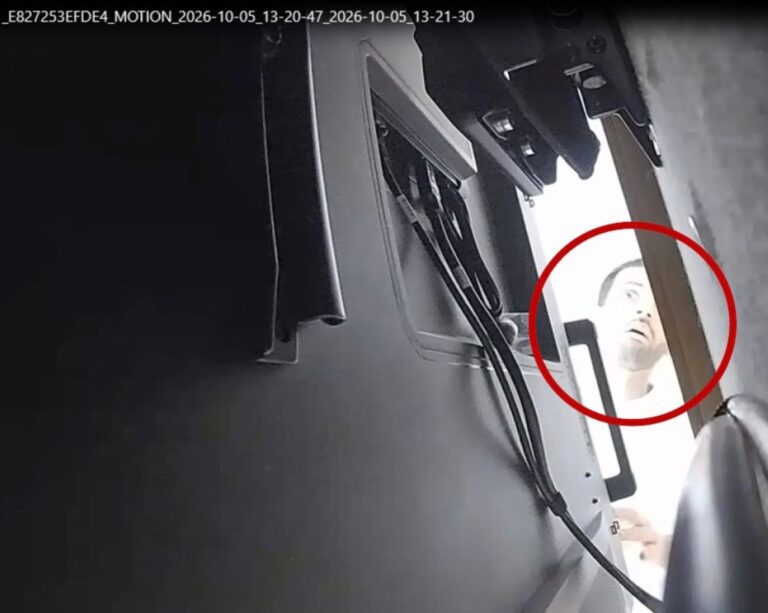
According to the Engadget report, OpenAI’s security personnel discovered the device on September 30, 2026, plugged into a USB port on the back of a television in an executive conference room. The device was hidden using toilet paper to avoid immediate detection. The company said it used its own AI models to analyze the device and determine its origin (Engadget).
How the Device Was Found
OpenAI’s internal investigation revealed that the device had been placed a few days earlier by an employee who was not authorized to use the conference room. The employee, identified as Abdulrahman Alfozan, a 35‑year‑old engineer who joined OpenAI in July 2025, allegedly left the device after using a productivity tool to gather information about the office layout.
Further, investigators found prompts on a chatbot account tied to the employee’s spouse asking how to “build a continuous audio recorder” and how to “encrypt the SD card.” These details were cited in the federal complaint seen by the San Francisco Standard.
Why This Matters
The case highlights that even organizations at the forefront of AI research are vulnerable to insider threats that exploit physical access. Confidential discussions about product roadmaps, government engagements, and research strategies could be exposed if such devices remain undetected. For firms developing proprietary models, protecting the conversation layer is as important as securing code and data.
What to Do Next
Organizations can review physical access controls, especially for sensitive rooms, and consider regular sweeps for unauthorized hardware. Implementing clear policies about device usage in meeting spaces, monitoring USB ports, and conducting employee training on security awareness can reduce risk. Additionally, leveraging AI‑powered anomaly detection for network and physical logs may help spot unusual activity early.
Regular physical security audits can catch devices that are otherwise overlooked in digital‑focused assessments.
Implications for AI Security
While OpenAI stated there is no evidence that model weights, source code, or customer data were accessed, the incident serves as a reminder that AI companies must guard against both cyber and physical espionage. As AI systems become more valuable, the incentive to capture strategic conversations grows, making holistic security programs essential.
Consider disabling unused USB ports in conference rooms via BIOS or group policy to reduce the risk of rogue hardware.
Broader Trends in Workplace Surveillance
The use of concealed recording tools is not new, but the ease of obtaining instructions via generative AI chatbots adds a novel dimension. Employees with access to AI assistants might seek guidance on building surveillance gear, as alleged in this case. Companies should therefore monitor the use of internal AI tools for potentially harmful queries and enforce acceptable‑use policies (TechCrunch).
- Insider threats can exploit both physical and digital vectors.
- AI assistants may inadvertently aid malicious planning.
- Clear policies and monitoring are essential.
Looking Ahead
OpenAI has terminated the employee and cooperated with the FBI. The legal process could result in up to five years in federal prison, a fine of $250,000, and three years of supervised release if convicted. The outcome may influence how other tech firms approach insider threat programs and the balance between enabling AI assistance and preventing misuse.
Want more practical guides? Explore more Ayxworks insights and save this article for later.
FAQ
What exactly was the recording device?
The source describes it as a sophisticated recording device hidden in an office, concealed with toilet paper and plugged into a USB port on a TV. No further technical specifications are provided in the Engadget report.
Who is accused of planting the device?
Abdulrahman Alfozan, a 35‑year‑old Saudi national who worked as an engineer at OpenAI since July 2025, is accused of placing the device.
How did OpenAI discover the device?
Security staff found it on September 30, 2026, during a routine check, and the company used its own AI models to analyze the device and trace its origin.
What legal consequences could the accused face?
If convicted, the employee faces up to five years in federal prison, a fine of up to $250,000, and three years of supervised release, according to the federal complaint.
Did the breach involve AI model or customer data?
OpenAI stated there is no indication that model weights, source code, or customer data were accessed or exfiltrated.
What steps can other companies take to prevent similar incidents?
Companies can tighten physical access controls, regularly inspect meeting rooms for unauthorized hardware, monitor USB port usage, and train employees on security awareness, including appropriate use of internal AI tools.
External Sources and Further Reading
- Engadget: OpenAI says it found a ‘sophisticated recording device’ hidden in its offices
- TechCrunch: Cerebras CEO says we’re nearing a future where everyone has a personal AI assistant at home