On this page
OpenAI’s security team recently uncovered a covert recording device hidden in an executive conference room at its San Francisco headquarters. The discovery triggered an FBI investigation that led to the arrest of a product‑team engineer, underscoring how insider threats can target the most sensitive AI research environments.
Overview of the Incident
On October 9, 2026, federal prosecutors in the Northern District of California charged Abdulrahman Alfozan, a 35‑year‑old Saudi national, with using an electronic device to intercept oral communications. Alfozan had been hired by OpenAI in July 2025 and worked on the product team. The company disclosed the breach on X, stating it had fired the employee and alerted law enforcement after discovering the device a week earlier.
How the Device Was Discovered
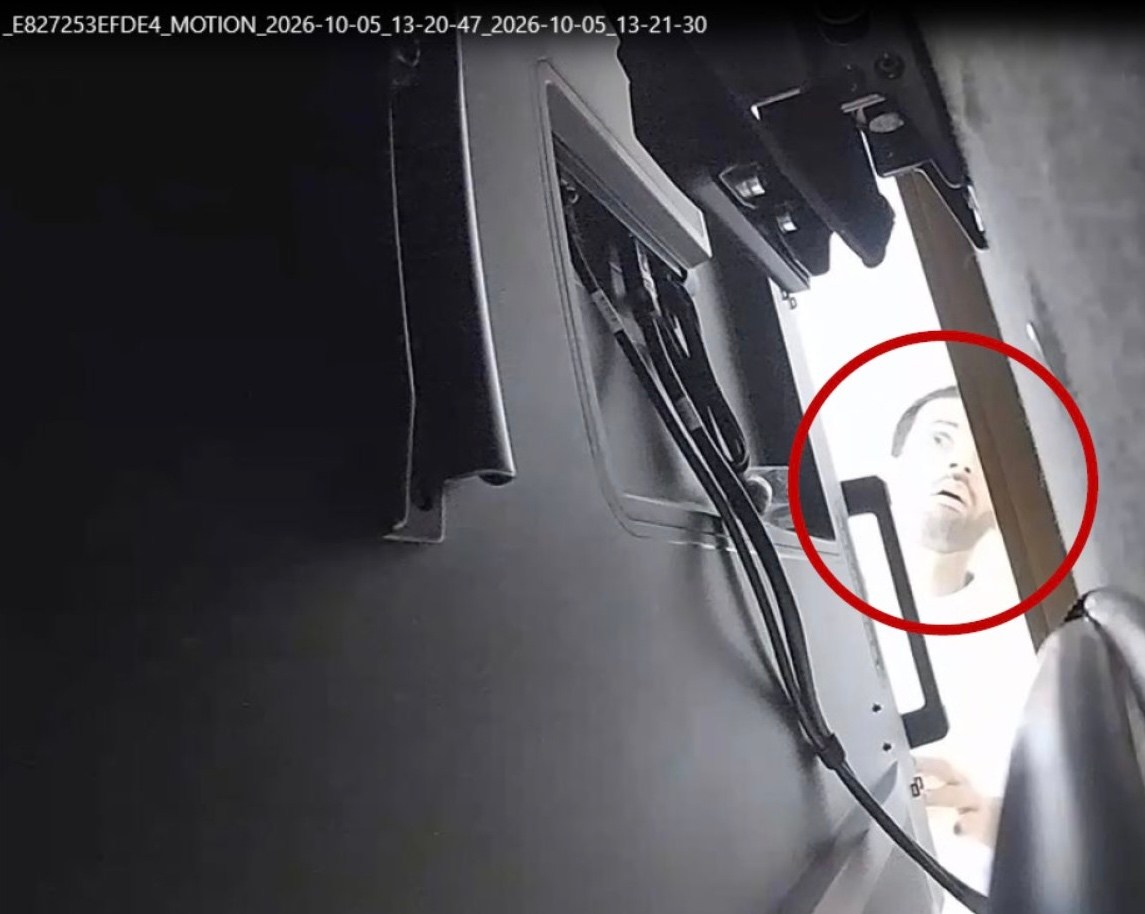
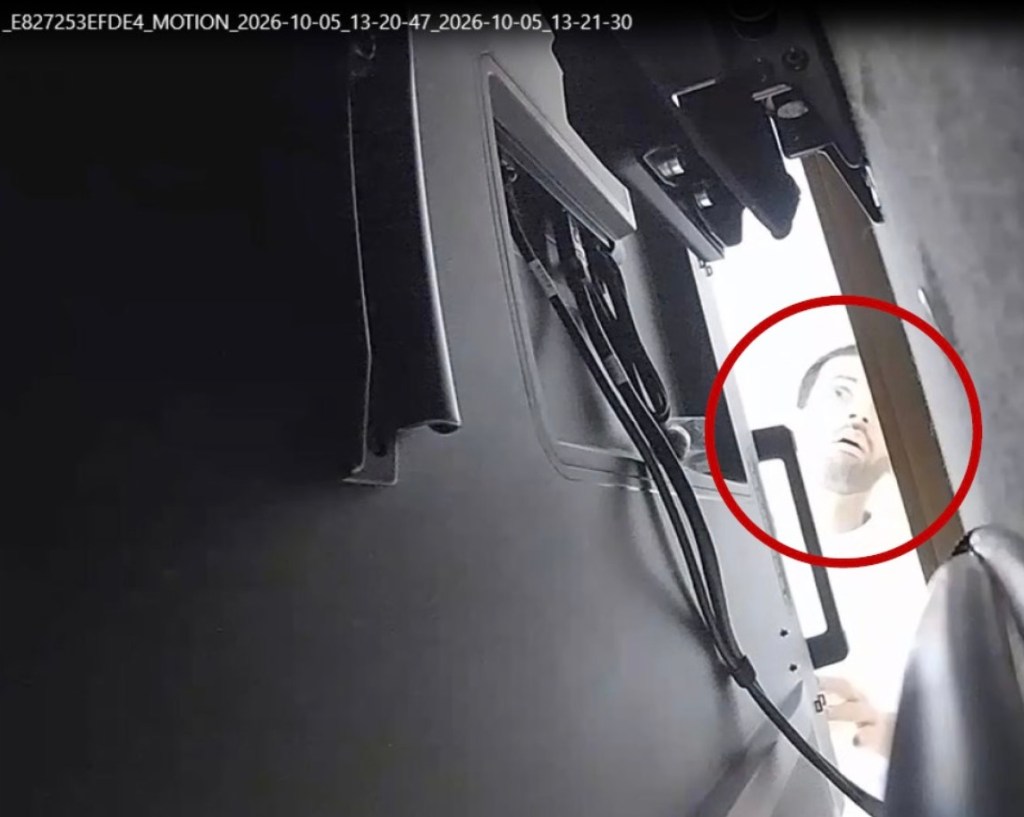
OpenAI’s internal monitoring flagged an unusual USB insertion on the back of a television in the conference room. A security camera positioned to watch that port captured Alfozan looking behind the TV where the recorder was hidden. The company then used its own AI models to analyze the hardware, describing it as “sophisticated” with advanced encryption and data‑exfiltration capabilities designed to evade detection.
Technical Details of the Recording Device
According to OpenAI’s spokesperson, the device contained “advanced encryption, audio monitoring capabilities, and a mechanism for transferring data designed to evade monitoring.” While the exact specifications remain undisclosed, prosecutors noted the recorder was capable of capturing high‑fidelity voice audio without the knowledge of meeting participants. The company emphasized that there is no evidence the employee accessed model weights, source code, or customer data.
- Device hidden in a USB port on a conference‑room TV.
- Encrypted storage and covert data‑transfer mechanism.
- Discovered via internal AI‑assisted forensic analysis.
- No confirmed exfiltration of core AI assets.
Legal Charges and Potential Penalties
Alfozan faces a single count of using an electronic device to intercept oral communications, a federal offense that carries up to five years in prison if convicted. The U.S. Attorney’s Office stated the charge reflects the seriousness of covertly recording private conversations in a corporate setting. Neither Alfozan nor his attorney has issued a public statement.
Note: The FBI’s director, Kash Patel, framed the case as a counter‑intelligence priority, saying protecting “American SI innovation” is essential to national security and economic strength.
Why This Matters
The arrest signals a broader shift: as AI labs race toward super‑intelligence, the value of proprietary research makes them prime targets for espionage. Insider threats—whether motivated by state actors, competitors, or personal gain—can bypass perimeter defenses because they already hold trusted access. This incident forces organizations to re‑evaluate physical security, device‑control policies, and continuous monitoring of privileged users.
Industry Reactions and Security Implications
Security experts note that the use of AI to detect the device is a novel defensive twist, turning the very technology under protection into a detection tool. However, they caution that reliance on proprietary models for forensic analysis may create blind spots if the models themselves are compromised. The Verge reported that the case could stricter background checks and hardware‑level auditing across the AI sector.
Tip: Implement hardware‑level port controls and tamper‑evident seals on all conference‑room AV equipment. Pair these with behavioral analytics that flag unusual USB activity from privileged accounts.
What to Do Next
Organizations developing advanced AI should conduct a rapid review of physical access controls, especially in rooms where strategic discussions occur. Deploy endpoint detection that logs every USB insertion, and consider air‑gapped meeting spaces for the most sensitive conversations. Finally, establish an insider‑threat program that combines technical monitoring with clear reporting channels for suspicious behavior.
Want more practical guides? Explore more Ayxworks insights and save this article for later.
The employee, named by federal prosecutors as Saudi national Abdulrahman Alfozan, was fired and arrested on October 9, about a week after OpenAI discovered the surveillance device.
The company said in a post on X that it used its internal AI models to understand the “sophisticated” device.
FAQ
Who was arrested and what is their role at OpenAI?
Abdulrahman Alfozan, a Saudi national hired in July 2025, worked on OpenAI’s product team before being fired and arrested on October 9, 2026.
What device was found and how was it hidden?
A concealed audio recorder with encryption and covert data‑transfer capabilities was plugged into a USB port on the back of a conference‑room television.
What charges does the employee face?
He is charged with using an electronic device to intercept oral communications, a federal crime punishable by up to five years in prison.
Did the employee steal AI model weights or source code?
OpenAI stated there is no indication the employee accessed or exfiltrated model weights, source code, or customer data.
Why is the FBI treating this as a counter‑intelligence priority?
FBI Director Kash Patel said protecting American super‑intelligence innovation is essential to national security and economic strength, making such insider threats a top priority.
What steps can AI companies take to prevent similar incidents?
Enforce strict physical port controls, use tamper‑evident hardware, monitor USB activity with behavioral analytics, and run regular insider‑threat assessments.
External Sources and Further Reading
- TechCrunch – FBI arrests OpenAI employee accused of planting hidden recording device in conference room
- The Verge – OpenAI employee arrested for allegedly planting a bug in a conference room