On this page
Choosing an external drive in 2026 means matching capacity, speed, and durability to the way you actually work. Whether you need a massive desktop archive, a pocket‑size SSD for phone backups, or a rugged companion for field shoots, the latest lineup from SanDisk, Samsung, Western Digital, and others covers every scenario.
Why This Matters
Data loss is still the most common regret after a device fails. A reliable external drive turns a potential disaster into a routine backup, and the 2026 market adds faster interfaces such as Thunderbolt 5 and higher‑capacity NVMe options that were rare a year ago.
Understanding the Categories
Wired’s guide groups drives by use case: desktop bulk storage, phone‑friendly portable SSDs, on‑the‑go backups, rugged spinning drives, Thunderbolt 5 speedsters, padded travel models, DIY enclosures, NAS‑optimized SSDs, gaming‑branded drives, and bare drives for custom builds.
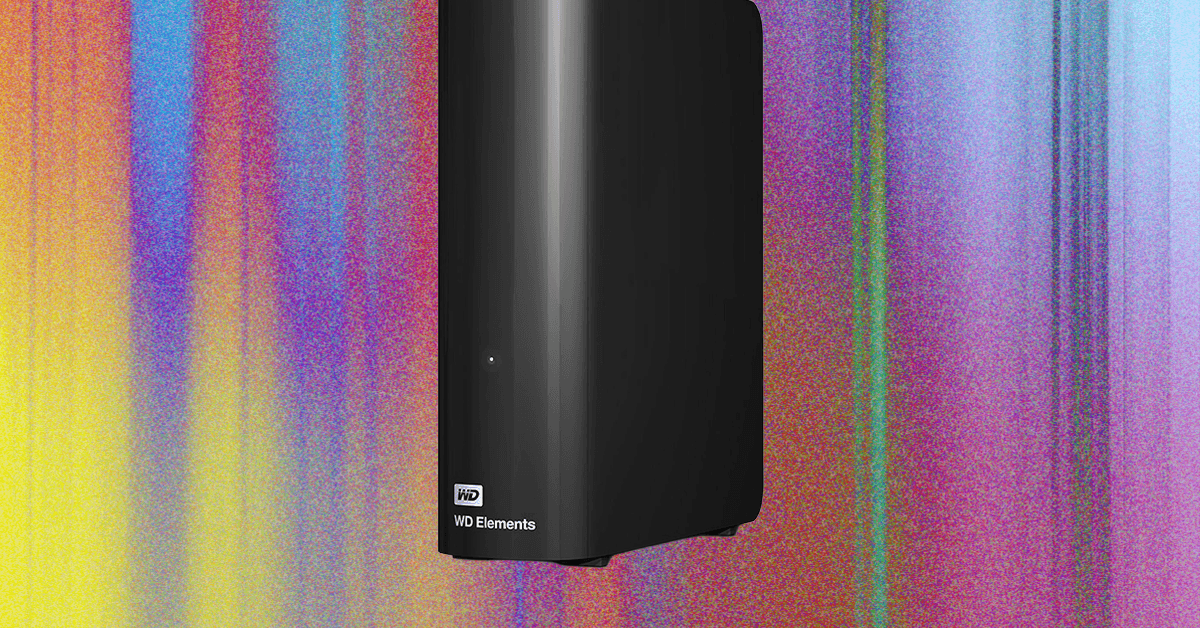
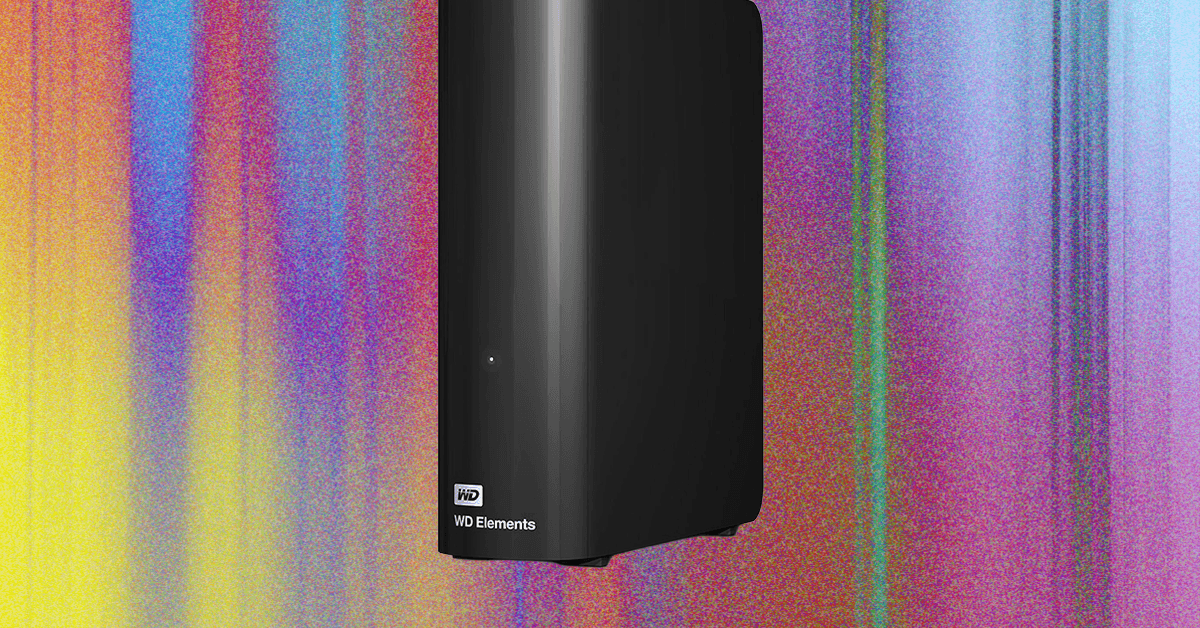
- Desktop bulk: 8 TB WD Elements at $380.
- Phone backup: 2 TB Crucial X9 Pro at $244.
- Rugged field: SanDisk G‑Drive ArmorATD 1 TB $195, 6 TB $397.
- Thunderbolt 5: LaCie Rugged SSD Pro5 4 TB $1,700.
- NAS SSD: Sandisk NAS 800 960 GB $310.
- Gaming: WD P40 1 TB $210.
Top Desktop Drive
The Western Digital Elements 8 TB model remains the most cost‑effective way to add terabytes to a workstation. It uses a traditional spinning platter, so write speeds hover around 180 MB/s, which is fine for archival backups but not for video editing.
Best Portable SSD for Phones
The Crucial X9 Pro 2 TB delivers 1,050 MB/s over USB 3.2 Gen 2, making it quick enough to offload a phone’s photo library in seconds. Its compact metal chassis also resists drops better than most plastic‑cased rivals.
Rugged Options for Field Work
SanDisk’s G‑Drive ArmorATD combines a shock‑resistant rubber bumper with a 5‑year warranty. The 1 TB version costs $195, while the 6 TB model at $397 offers a rare high‑capacity rugged spinning drive.
Rugged drives often sacrifice peak speed for durability; verify the interface (USB‑C 10 Gbps vs. Thunderbolt) matches your workflow.
High‑Speed Thunderbolt 5 and NAS Picks
LaCie’s Rugged SSD Pro5 pushes 6,000 MB/s via Thunderbolt 5, targeting video professionals who need real‑time 8K playback. For network‑attached storage, the Sandisk NAS 800 NVMe SSD (960 GB, $310) offers low latency and high endurance for caching.
If you already own a Thunderbolt 4 dock, a Thunderbolt 5 drive will still operate at the dock’s maximum bandwidth.
What to Do Next
Identify your primary workload — bulk archive, mobile backup, field ruggedness, or high‑throughput editing — then match it to the category above. Check the current retailer price for the model you prefer, as discounts shift weekly.
Want more practical guides? Explore more Ayxworks insights and save this article for later.
Best External Hard Drives (2026): SanDisk, Samsung, and More | WIRED Skip to main content I know you’ll back up all those photos on your phone someday, but you should do it today.
Just get a little external or portable hard drive, plug it into your phone, and make a backup.
Trust me: It’s so much easier than trying to recover them after your phone dies.
He was previously a writer and editor for WIRED’s Webmonkey.com, covering the independent web and early internet culture.
VistaPrint promo code Take Up to 25% Off Custom Prints with VistaPrint Promo Code Peacock Promo Code Save With a Peacock Promo Code: 3 Months Free
For anyone comparing options, the impact is mostly about what to check before paying, not the headline feature.
A longer feature list is not automatically a better fit; it’s only useful if you’ll actually use those features.
The detail that matters most is whether this was independently tested or is a manufacturer claim repeated as-is.
It matters because a good comparison here can save a return, a wasted upgrade, or a subscription nobody uses.
List the one or two jobs you actually need this to do, then check only the specs that affect those jobs. Skip add-ons and bundles that don’t serve that specific use case, even if they look like good value on paper.
Treat this as one data point in a comparison, not the last word on whether to buy.
Wait for a couple of independent reviews before treating this as a confirmed upgrade.
FAQ
Which external drive is best for a desktop backup?
The 8 TB Western Digital Elements offers the lowest cost per terabyte for stationary backups.
What should I look for in a rugged drive?
Seek an IP‑rated enclosure, shock‑absorbing bumpers, and a warranty of at least three years.
Are Thunderbolt 5 drives worth the premium?
Only if you regularly move multi‑gigabyte video files and have a Thunderbolt 5 host; otherwise USB 3.2 Gen 2 SSDs give similar real‑world speed for less money.
Can I use a gaming‑branded drive for general storage?
Yes — the WD P40 Gaming Drive is a standard NVMe SSD with RGB lighting; performance is identical to non‑gaming models.
How do I choose between an SSD and a spinning drive?
SSDs provide speed, silence, and shock resistance; spinning drives give higher capacity per dollar for archival use.
External Sources and Further Reading
The four-question storage buying test
- What is the job? For large, inexpensive archives, compare HDD cost per usable terabyte. For frequent transfers, travel, and active project files, an SSD often makes more sense.
- What is the real connection speed? Check both the drive interface and your computer’s USB or Thunderbolt port. A fast SSD on a slower port will perform at the slower link’s limit; marketing speeds are not sustained-transfer guarantees.
- How is it protected? Consider encryption, operating-system compatibility, cable durability, heat during long transfers, and whether the device can be replaced easily if damaged.
- Where is the second copy? A single external drive is storage, not a backup strategy. Keep multiple copies on separate media, with one copy stored off-site or in an independently protected location.
Quick purchasing example: a photographer editing video daily has different priorities from someone archiving completed family photographs once a month. Choose the workload and backup plan first; only then compare brand names and benchmark charts.
Before buying, verify the exact model number, capacity, warranty terms, operating-system support, and current local price. Do not rely on a review’s launch price as today’s offer.