On this page
Far from the crowded beach resorts that line Vietnam’s coastline, a quiet labyrinth of mangrove forests shelters thousands of birds each day. Con Chim Islet, tucked inside Thi Nai Lagoon in Tuy Phuoc Dong, offers a glimpse of a wetland ecosystem that remains largely untouched by mass tourism. This article explores what makes the islet special, why it matters for biodiversity, and how you can experience it responsibly.

Recognizing Con Chim Islet’s value goes beyond curiosity; it spotlights a living sanctuary where rare herons and egrets share the mangroves with fishermen who still cast nets as their ancestors did. When travelers learn how these birds and livelihoods depend on the lagoon’s health, they gain a concrete reason to support low‑impact visits and protection efforts that keep the ecosystem—and the local culture—intact.
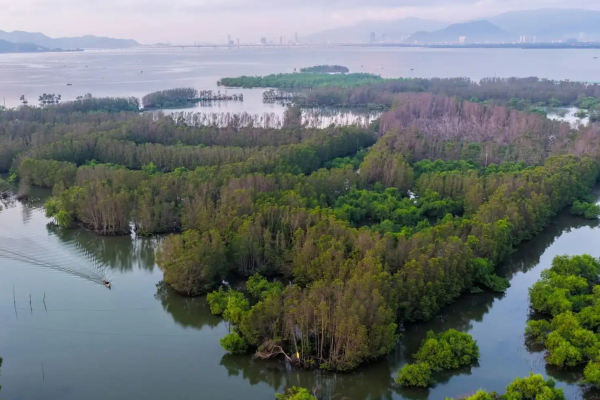
Overview of Con Chim Islet
Con Chim Islet lies within the expansive Thi Nai Lagoon, a coastal water body in Binh Dinh province. The islet is not a single landmass but a network of mangrove roots and channels that create a submerged forest. Local sources describe the area as an ancient, sprawling labyrinth of mangrove forests that have persisted for generations. The surrounding lagoon supports traditional fishing communities who still use small boats and stand‑up paddleboards to navigate the green tunnels.
According to the Atlas Obscura entry, the islet’s main draw is its role as a protected refuge for numerous rare and elusive avian species. Observers have noted unique herons, egrets, and specialized wildlife that depend on the rich habitat. As dusk approaches, thousands of wild birds fill the sky in synchronized flight before settling onto the dense emerald canopy.
Why This Matters
Wetlands like Con Chim Islet provide critical ecosystem services: they act as nurseries for fish, filter pollutants, and store carbon. The mangrove roots stabilize shorelines, reducing erosion from storms and sea‑level rise. For bird populations, the islet offers a safe roosting and feeding site away from human disturbance, which is increasingly rare along Vietnam’s developed coast.
Scientific studies cited in local news outlets highlight the lagoon’s importance for biodiversity conservation. Protecting such habitats helps maintain the balance of coastal ecosystems and supports the livelihoods of fishermen who rely on healthy fish stocks.
Ecological Significance
The mangrove forest surrounding Con Chim Islet hosts a variety of flora adapted to saline conditions, including Avicennia and Rhizophora species. These trees provide structural complexity that shelters crustaceans, mollusks, and juvenile fish. The abundance of invertebrates, in turn, attracts the waterbirds that make the islet famous.
Mass bird flights observed at dawn and dusk are indicative of a healthy foraging base. When birds return en masse to the canopy, it signals that food resources within the lagoon remain sufficient. Disruptions to this pattern could hint at ecological stress, making the islet a natural barometer for lagoon health.
Key points:
- Con Chim Islet is a mangrove‑lined oasis inside Thi Nai Lagoon.
- It shelters rare herons, egrets, and other waterbirds.
- Bird flights at dawn and dusk reflect ecosystem productivity.
- Local communities use the lagoon for traditional fishing and paddleboarding.
Visitor Experience
Access to Con Chim Islet is primarily by small local boats or stand‑up paddleboards launched from piers along the lagoon’s edge. Guided tours often depart in the early morning, allowing visitors to glide silently through winding green tunnels while observing fishers casting nets using traditional techniques.
The best time to visit is either at sunrise for a tranquil experience or in the late afternoon to witness the spectacular return of thousands of birds to the mangrove canopy. Visitors are encouraged to keep noise low, stay on designated routes, and avoid disturbing nesting sites.
Tip: Bring binoculars and a quiet camera with a zoom lens to capture bird behavior without approaching too closely. Early morning light also enhances the green hues of the mangrove foliage.
Conservation Efforts
Local authorities and NGOs have recognized Con Chim Islet as a site worth protecting. Initiatives include community‑based monitoring of bird populations, mangrove replanting projects, and regulations that limit motorized traffic in sensitive zones. Educational programs aim to raise awareness among tourists and residents about the value of preserving wetland habitats.
Supporting research from the SSCSAP publication outlines lessons learned from habitat rehabilitation in the Con Chim area, emphasizing sustainable fisheries practices and mangrove restoration as complementary strategies for long‑term resilience.
What to Do Next
If you’re interested in exploring Con Chim Islet, consider reaching out to local eco‑tour operators in Tuy Phuoc Dong who offer guided boat or paddleboard tours. Check current schedules and weather conditions before heading out, and verify any permit requirements with the lagoon management office.
For those who prefer to learn from afar, the Atlas Obscura page, along with the Vietnamese news articles referenced below, provide additional photos, visitor tips, and scientific context. Keeping an eye on conservation updates can help you understand how the islet’s status evolves over time.
Want more practical guides? Explore more Ayxworks insights and save this article for later.
FAQ
Where exactly is Con Chim Islet located?
Con Chim Islet sits inside Thi Nai Lagoon, near the town of Tuy Phuoc Dong in Binh Dinh province, central Vietnam.
What kinds of birds can I expect to see?
Visitors frequently spot herons, egrets, and other waterbird species that rely on the mangrove habitat for feeding and roosting.
Do I need a guide to visit the islet?
While independent paddleboarding is possible, many travelers choose a local guide who knows the safest routes and can share insights about the ecosystem and traditional fishing practices.
Is there an entrance fee?
Fees vary by tour operator; some community‑run boat trips charge a modest rate to support conservation efforts, while self‑guided paddleboarding may only require a small rental fee.
What should I bring for a visit?
Bring sun protection, drinking water, binoculars, a quiet camera, and wear clothing suitable for wet conditions. Respect wildlife by keeping a safe distance and minimizing noise.
How can I support the protection of Con Chim Islet?
Choose eco‑friendly tour operators, follow Leave No Trace principles, and consider donating to local mangrove restoration projects or bird monitoring programs.