On this page
The Moon keeps one face turned toward Earth, a dance called tidal locking that has fascinated skywatchers for centuries. On 10 October 2026 NASA’s Astronomy Picture of the Day highlighted a stunning mosaic of the lunar farside, revealing a landscape that looks nothing like the familiar near side.
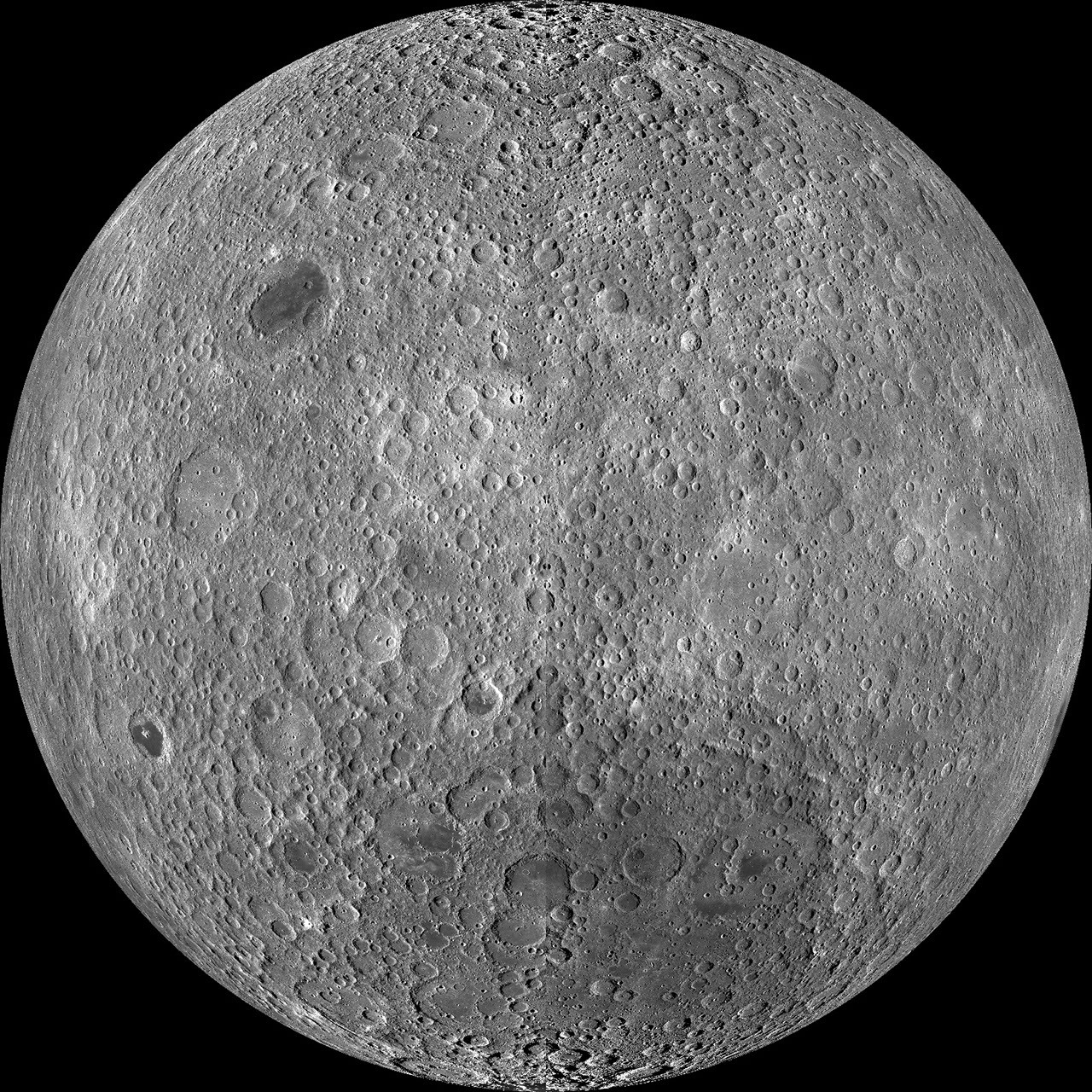
The fresh Lunar Farside image captured on October 10 2026 gives researchers a rare, high‑resolution view of the side of the Moon that never faces Earth, revealing terrain and water‑ice deposits that could become critical for upcoming habitats and resource extraction; this insight directly influences mission planners, commercial partners, and policymakers who are shaping the next wave of lunar exploration and settlement.
What Is the Lunar Farside?
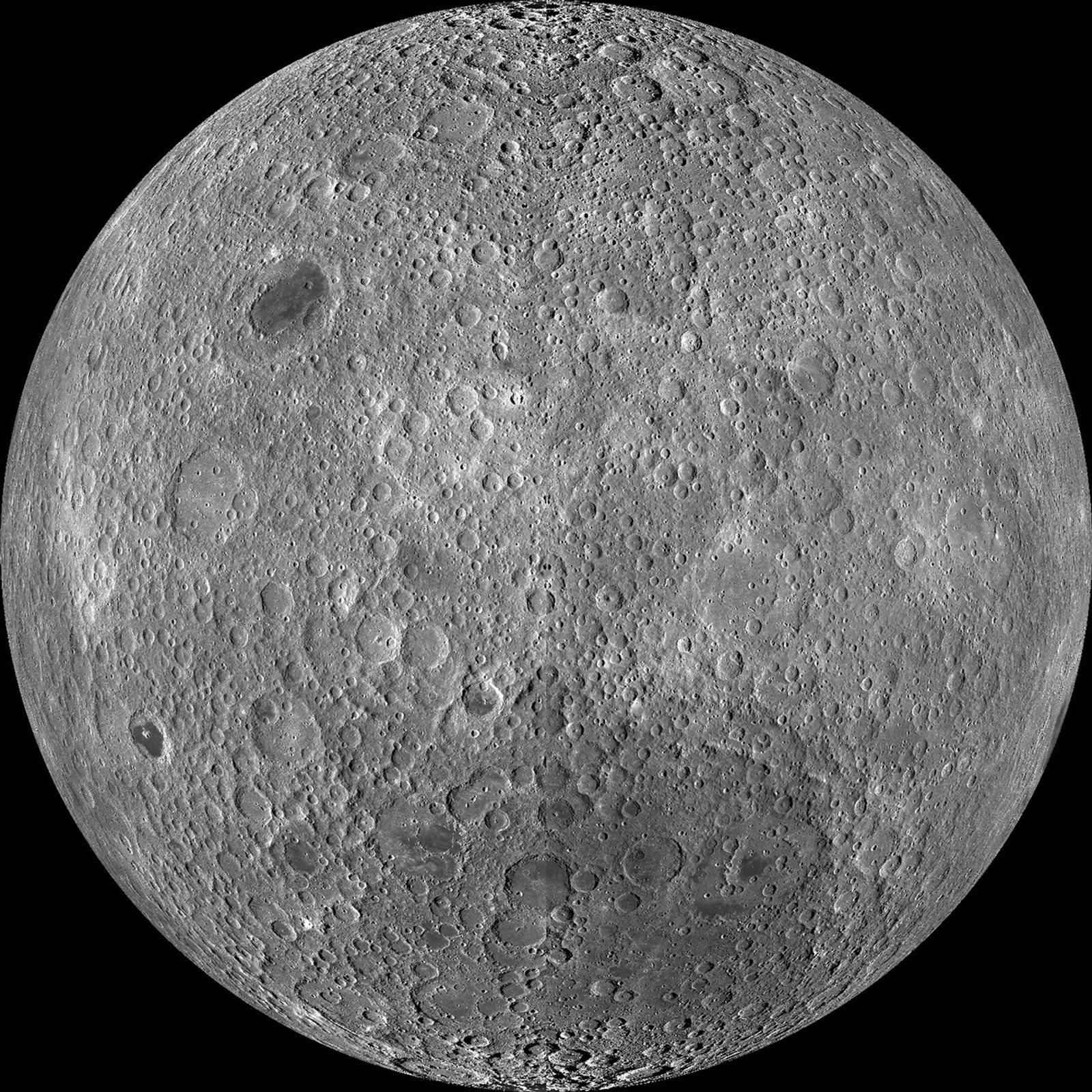
Because the Moon rotates once per orbit, the same hemisphere always points toward Earth. The opposite hemisphere — often called the “dark side” though it receives sunlight — remains hidden from direct view. Spacecraft and orbiters give us the only way to study it.
How the Image Was Made
The featured picture is a mosaic assembled from more than 15,000 wide‑angle frames captured by the Lunar Reconnaissance Orbiter (LRO) between November 2009 and February 2011. At its highest resolution the mosaic resolves features as small as 100 meters per pixel, providing a global view of the farside terrain.
- Source: LRO Wide Angle Camera
- Data span: Nov 2009 – Feb 2011
- Resolution: ~100 m/pixel
- Images combined: >15,000
Why the Farside Looks Different
The near side is covered with large, dark basaltic plains called maria, formed when molten rock welled up through a relatively thin crust. The farside, by contrast, is rugged, heavily cratered, and almost devoid of maria. Scientists think the farside crust is significantly thicker, making it harder for magma to reach the surface.
Note: The thickness difference is still an active research topic; gravity data from GRAIL and future sample‑return missions may refine the model.
Why This Matters
Understanding the farside’s geology helps piece together the Moon’s thermal history and the early bombardment that shaped the inner solar system. It also informs where future landers and rovers might find scientifically valuable rocks untouched by Earth‑side processes.
What Scientists Learn From It
High‑resolution maps let researchers count craters of different sizes, which serves as a clock for surface age. They also reveal ancient impact basins that may expose deep mantle material. Such insights guide mission planning for Artemis and robotic explorers.
Tip: When you explore lunar maps online, toggle between near‑side and far‑side layers to see the stark contrast in maria coverage.
What to Do Next
If you want to dive deeper, start by browsing the full‑resolution LRO mosaic on the NASA LRO website. Compare it with near‑side mosaics, and read the latest papers on lunar crustal thickness from the GRAIL mission. For a hands‑on experience, try the “Moon Trek” interactive tool that lets you fly over both hemispheres.
Want more practical guides? Explore more Ayxworks insights and save this article for later.
Lunar Farside Explanation: Tidally locked in synchronous rotation , the Moon always presents its familiar nearside to denizens of planet Earth .
From lunar orbit, the Moon’s farside can become familiar, though.
In fact this sharp picture , a mosaic from the Lunar Reconnaissance Orbiter’s wide angle camera, is centered on the lunar farside.
Part of a global mosaic of over 15,000 images acquired between November 2009 and February 2011, the highest resolution version shows features at a scale of 100 meters per pixel.
Surprisingly, the rough and battered surface of the farside looks very different from the nearside covered with smooth dark lunar maria.
A likely explanation is that the farside crust is thicker , making it harder for molten material from the interior to flow to the surface and form dark, smooth maria .
Tomorrow’s picture: Sunday’s Childe Date: October 10, 2026 Credit: NASA / GSFC / Arizona State Univ.
/ Lunar Reconnaissance Orbiter Authors & editors: Jerry Bonnell, Cecilia Chirenti, Robert Nemiroff, Keighley Rockcliffe A service of: ASD at NASA / GSFC , NASA Science Activation & Michigan Tech.
Yesterday’s Image APOD: 2026 October 9 – Stickney Crater Tomorrow’s Image
The simplest way to think about the impact: it makes one particular task or decision a little easier or clearer.
FAQ
Why does the Moon always show the same face to Earth?
The Moon’s rotation period matches its orbital period, a state called synchronous rotation or tidal locking, caused by Earth’s gravitational pull over billions of years.
What is the “dark side” of the Moon?
“Dark side” is a misnomer; the farside receives just as much sunlight as the near side. It is called dark only because it was unknown to us before spaceflight.
How was the farside mosaic created?
Over 15,000 wide‑angle images from the Lunar Reconnaissance Orbiter were stitched together into a global mosaic covering the entire farside.
Why are there no large maria on the farside?
The leading explanation is that the farside crust is thicker, preventing basaltic magma from erupting onto the surface as it did on the near side.
Can future missions land on the farside?
Yes. China’s Chang’e‑4 landed there in 2019, and NASA’s Artemis program includes concepts for farside science stations, though communication requires a relay satellite.
External Sources and Further Reading
- NASA APOD: 2026 October 10 – Lunar Farside
- NASA Announces Bold Science Initiatives for America’s Golden Age Summit
- APOD: 2026 October 9 – Stickney Crater